When your supplements and meds cause nightmares
Oct 21, 2026Recently, a client told me she had started taking magnesium at night and was having some pretty wild dreams. Two days later, another woman told me she was waking up from nightmares about half the time, when before that she couldn't remember dreaming at all.
They both asked the same thing. "Should I stop taking it?"
I hear that question a lot. Sometimes it's magnesium, and sometimes it's melatonin, low dose naltrexone, PharmaGABA, a peptide, or even diffusing essential oils, but the person almost always assumes the bottle did something wrong to them.
Here's what I told both women. "That's a great sign you're getting more REM sleep, not that the supplement is doing something wrong to your brain."
I believe it. But this month I wanted to know whether the studies support it or whether I've just been reassuring people, so I went looking.
Most of it holds up. A few things surprised me, and a few things belong in a different category altogether, which I'll get to.
To make sense of any of it, though, you have to start with something odd about dreams that most people never think about. You forget almost all of them.
You only remember the dreams you wake up from
You dream every night.
Dream researchers think you have to wake up, at least for a moment, to save a dream into memory, which is why most dreams are gone before your feet hit the floor.
A lab in Lyon, France, has spent years comparing people who remember lots of dreams with people who hardly remember any. Across two of their studies, the high recallers remembered about five dreams a week, while the low recallers remembered about one every two weeks.
When researchers played sounds while both groups slept, the brains of the high recallers reacted more. That fits with what they suspected, which is that people who remember their dreams wake up briefly during the night more often than people who don't.
So remembering a dream takes two things happening close together, because you have to be dreaming and you also have to come up for air while the dream is still there.
That puts a lot of significance on the last few hours of the night, because that's when most of your REM sleep happens.
REM isn't deep sleep, and that matters here
REM stands for rapid eye movement. It's the stage where most vivid dreaming happens, because it's when the parts of your brain that handle images and emotion are especially active.
People often call REM "deep sleep," but deep sleep is a different stage, one that comes mostly in the first half of the night, when your body puts out its biggest pulse of growth hormone.
In REM, your brain is nearly as active as it is when you're awake. Your eyes dart around behind your eyelids while the muscles in your arms and legs go slack, so you don't act out the chase scene.
You move through the stages in cycles of roughly 90 minutes, with REM periods getting longer as the night goes on.
Where do you think the longest REM periods land? They land right before your alarm.
Now picture what happens if a supplement helps you stay asleep through those last few hours instead of waking at 4 and staring at the ceiling. You get more of your longest REM periods, which means more dreams and more chances to wake up in the middle of one.
That alone explains a lot.
So why do the dreams feel so intense in those first weeks? Researchers have a name for it.
When you've been short on REM, the next good night has more of it
They call it REM rebound. If you lose REM for weeks or months, the first nights that finally allow it tend to have extra.
People with sleep apnea are the clearest example. Their breathing stops and starts all night, which tends to chop up their REM, and many of them go years before anyone figures out why.
When Australian researchers looked at 335 people on their first night with a CPAP machine, the people who had the least REM and the most broken-up sleep beforehand were the most likely to get a jump in REM that night.
I love this part. A group in Ohio found that patients whose REM rebounded on that first night used their CPAP more over the next two months than the patients whose REM stayed the same.
The dreams didn't scare them off. If anything, the people who got that flood of REM were more likely to stick with the machine.
I'd hope those who experience something similar with supplements or other therapies lean into it, rather than getting scared off, too.
If magnesium or a peptide finally lets you sleep through the back half of the night, the REM you've been missing shows up all at once, and so do the dreams.
Once you look at strange dreams as REM coming back, the list of things people blame for them starts to make sense. They fall into three groups.
Group one: things that help you sleep longer
Melatonin. German researchers gave 3 mg of melatonin between 10 and 11 p.m. to 14 sleep-clinic patients whose REM was well below normal. After four weeks, REM went from about 15 percent of their night to 18 percent, while the placebo group dropped to 12 percent.
That was a small study in people who were low on REM to start with, so it doesn't mean melatonin raises REM in everyone. It does fit the idea that the people with the least REM have the most room to gain.
Magnesium, PharmaGABA, and glycine. I couldn't find a study that looked at dreams on any of these, so here I can only tell you what I see with clients. The closest thing is a company-funded trial in which 80 adults took magnesium L-threonate for three weeks and got better REM scores on a sleep ring than the placebo group, although that was the threonate form and not glycinate.
What these three have in common, in my experience, is that they help people stay asleep through the night. If you used to wake at 3 or 4 a.m. and now you don't, you're sleeping straight into your longest REM periods, dreams included.
Low dose naltrexone. Researchers at Stanford reported that about 37 percent of the women in their small LDN trials for fibromyalgia had more vivid dreams, which was the most common side effect they saw. That number sounds like proof that LDN causes strange dreams, until you read the next line of their report.
Vivid dreams were also the most common complaint among the women taking a placebo. So some of what people blame on LDN is probably expectation.
And most of the women in those trials said they were sleeping better, which gets lost when people only talk about the dreams.
Keep that in mind. When you've been told a pill might give you weird dreams, you notice the weird dreams, and you remember them.
Group two: things that help you remember
Do you remember the French dream recallers? The next one surprised me most.
Vitamin B6. In an Australian trial of 100 people, the ones who took a high dose of B6 before bed for five nights remembered more of their dreams than the placebo group. The dreams themselves were no more vivid or strange.
B6 didn't change the dreams. It helped them remember the ones they were already having, which means "B6 gave me crazy dreams" may really mean "B6 let me keep the dreams I've always had."
The people who took a full B-complex instead slept worse and woke up more tired. If you take a B-complex at night, that alone might be worth moving to the morning.
Galantamine. This is a drug for Alzheimer's disease that's also sold as a supplement. In a trial of 121 people who already remembered their dreams well, 8 mg taken about four and a half hours into the night, along with a lucid-dreaming technique, raised the share who had a lucid dream, where you know you're dreaming, from 14 percent to 42 percent.
Group three: things that take REM away, then give it back
The last group works in reverse. These hold REM down while you use them, so the dreams tend to show up after you stop.
A glass of wine. Alcohol pushes back your first REM period and breaks up the second half of your night. You fall asleep faster and then lose the part of the night where your longest REM periods should be.
Cannabis. In a study of heavy cannabis users who stopped, strange dreams got more common the longer they went without it.
Put those two together and you have the explanation for a lot of "I quit drinking for a month and my dreams went crazy" stories. The REM likely came back, and you were there for it.
Antidepressants. SSRIs cut REM by roughly a third or more for as long as you take them. In a small Harvard study, 14 healthy volunteers on paroxetine or fluvoxamine remembered fewer dreams, but the ones they did remember felt more intense, and in the days after the fluvoxamine group stopped, their dreams got longer and stranger.
So in all three groups, a strange dream usually means something changed in your sleep. That still leaves the part most people find hardest to believe, which is that the nightmare itself might be doing you some good.
Why a scary dream might be doing you a favor
During REM, your brain runs low on noradrenaline, the chemical behind the jolt you feel when someone startles you in a dark hallway. That seems to let you replay the emotional parts of your day without the full stress response attached.
At Berkeley, researchers scanned people's brains while they looked at upsetting images, once before a night of sleep and once after. The people whose REM showed the calmest brain-wave pattern reacted less to the same images the next morning. They also said the images felt less upsetting.
A Geneva team went further. They asked 89 people how much fear showed up in their dreams, then showed them frightening images while they were awake.
The people with the most fear in their dreams had the calmest reactions in the brain's threat areas, along with more activity in the area that keeps emotions in check. Nobody has proven that one causes the other, but it does suggest a scary dream can work like practice.
What I usually see is that the dreams settle down after a month or so. People still dream. The horror movies stop.
Until then, I give clients the same line I gave the second woman. "As soon as you wake up, you can just say, hey, as crazy as that dream was, it's actually a good thing."
That's the good news, and it covers most of the people who ask me about this. A few situations are different, though. You should know them before you write off every nightmare as REM coming back.
When a bad dream is a reason to call your doctor
Some medications cause nightmares as a direct side effect, which is a separate problem from catching up on REM and one you shouldn't wait out.
Montelukast. This asthma and allergy drug, sold as Singulair, carries an FDA boxed warning for mood and behavior changes, and some people with MCAS take it. By 2020, a World Health Organization database held more than 1,100 reports of suspected nightmares on montelukast, two-thirds of them in children.
Reviewers classified about half of those reports as serious, although in most cases the nightmares went away after people stopped the drug.
Beta-blockers. Propranolol and metoprolol cross into the brain more easily than some others in their class. Nightmares are a known side effect. These drugs can also lower the melatonin you make at night.
Varenicline. The quit-smoking drug sold as Chantix lists abnormal dreams among its most common side effects.
If you take one of these and the nightmares started with it, tell the doctor who prescribed it. Don't stop a prescription on your own.
The same goes if your nightmares make you dread falling asleep, if they replay something that happened to you, or if you wake up gasping while your partner says you snore and stop breathing. A doctor should look at those, and sleep apnea is worth ruling out.
How to tell which one you have
So how do you know whether you're looking at REM coming back or something you should stop? Start with timing and with how you feel during the day.
Did the dreams start with a supplement or a change that helps you sleep? Do you have more energy in the afternoon and a steadier mood? Then REM coming back is the likeliest explanation.
Give it a few weeks before you decide anything.
If the dreams bother you in the meantime, you have options besides stopping. Some people who take LDN at bedtime move it to the morning, which helps some of them, while anything with B vitamins can simply move to breakfast.
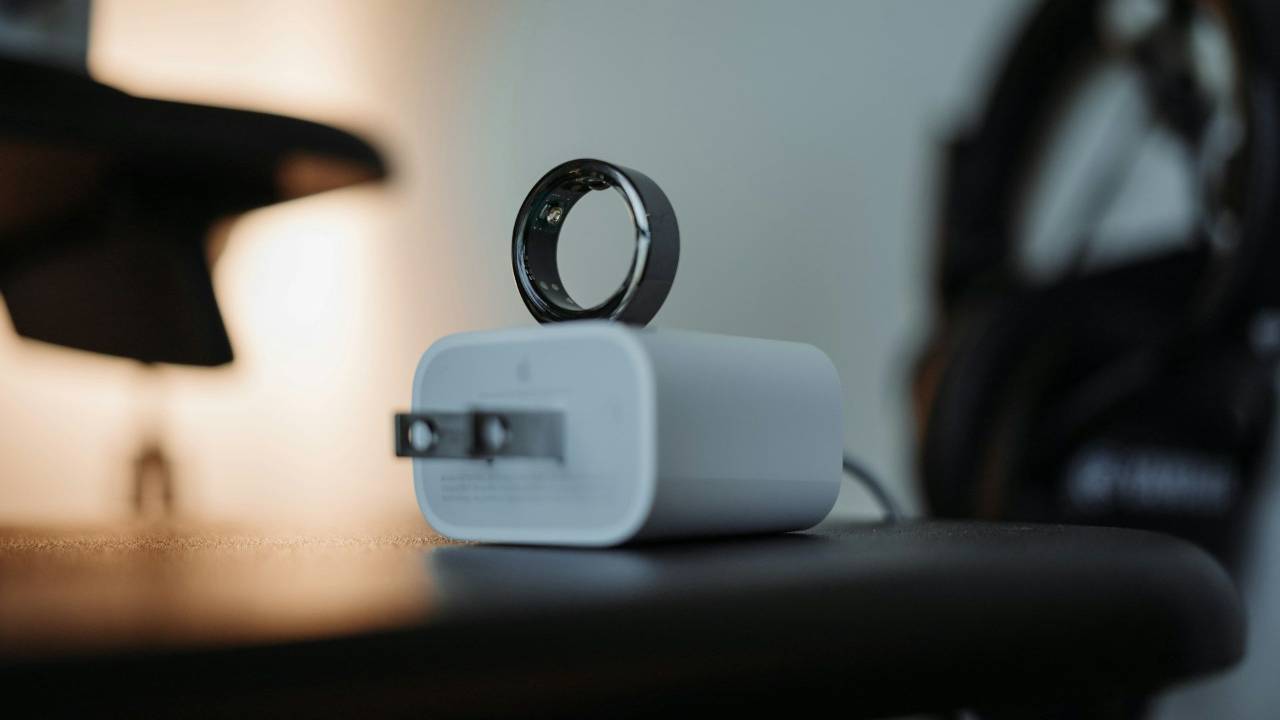
Or you can look. This is where a sleep tracker earns its place on your wrist.
I wear the Hume Band 2.0. I wore an Oura ring for a couple of years, but it pinched every time I gripped a barbell or a hammer. I forget the band is there.
It estimates REM and deep sleep every night from your heart rate and movement, so you can see whether your REM trended up the same weeks the dreams started. Those estimates are rough, since no wrist device stages sleep the way a sleep lab does, so watch the trend over a few weeks rather than any single night.
The bottle you might have put away too soon
If you set a sleep supplement aside because of the dreams, or you've never tried one, these are the four I'd look at first. None of them is a sleeping pill, and most of the studies behind them are small or paid for by the company that makes the ingredient, so I'll tell you what each one showed and who ran it.
Magnesium glycinate. In a German university trial, 155 adults with poor sleep took 250 mg of magnesium as bisglycinate every day for four weeks, which also gave them about 1.5 grams of glycine. Their insomnia scores improved a little more than the placebo group's, and a rough side analysis suggested the people who ate the least magnesium improved the most.
The effect was small, which is what I'd expect from a mineral. Magnesium may help most when you were low to begin with, and plenty of people are.
Glycine. Researchers at Ajinomoto, the Japanese company that makes glycine, found that 3 grams before bed improved how people who weren't sleeping well rated their sleep. In a separate study, people slept 25 percent less than usual for three nights, and the ones who took glycine felt less tired the next day.
Glycine also seems to help your body let heat go. In rats it sent more blood to the skin and lowered core temperature, and your core temperature drops as you fall asleep, which seems to help you get there and stay there.
PharmaGABA. In a small study run by the company that makes it, 100 mg of PharmaGABA shortened the time it took people to fall asleep by about five minutes, measured with brain-wave recordings. That isn't dramatic, but for someone who lies there with a racing mind, five minutes is the difference between drifting off and checking the clock.
L-theanine. This is the calming amino acid in green tea. In a Japanese trial run with a company that makes it, 30 adults took 200 mg a day for four weeks and a placebo for another four, and on L-theanine they reported falling asleep faster and less disturbed sleep.
I've put these and some other sleep supporting options together in this Fullscript protocol. I always suggest trying one at a time, with 2-4 weeks between adding another.
If your trouble is falling asleep at the right time after flying across time zones, a half milligram of melatonin taken near your new bedtime can help. I'd keep the dose small, because melatonin works more like a signal that night has started than like a sedative.
Most people start with magnesium, because it's the one their body is most likely to be missing.
And if the dreams get strange in the first couple of weeks, you'll know what you're looking at now. Check your REM in the morning before you decide anything.
If someone you know quit a sleep supplement because of the dreams, send them this.
Two next steps, depending on where you are.
If you put a sleep supplement away because of the dreams, or you're ready to try one for the first time, here's my sleep protocol on Fullscript.
If you're on one of the medications in this email, you're juggling several sleep aids, or the dreams started with something you can't sort out on your own, book a consultation and we'll go through it together.
This article is educational and isn't medical advice. Don't start, stop, or change a prescription medication without talking to the doctor who prescribed it.