Isn't that the supplement for old people?
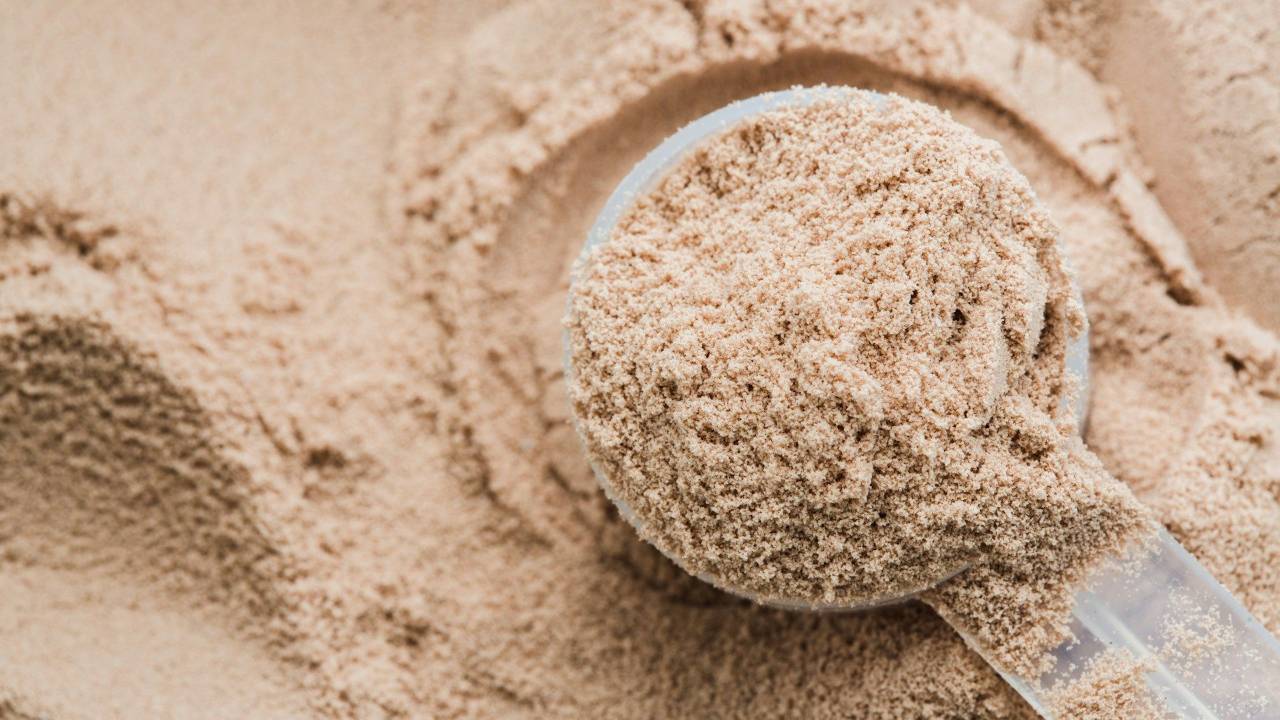
Oct 15, 2026If you ask most people what psyllium is, they'll describe a plastic tub of orange powder on the back of the toilet at their grandparents' house, with a faded label and a scoop inside that nobody had washed since the Reagan administration. I pictured the same tub.
When I bring it up on a call, I usually hear the same reply. "Isn't that the stuff for old people?"
It is. It's also one of the most underrated supplements I know of, and one of the least expensive.
I recommend it to men and women in their thirties as often as anyone in their seventies. A month's supply costs about as much as two lattes.
Why "eat more fiber" so often backfires
If you've ever told a doctor you were constipated, you probably heard "eat more fiber." Maybe you tried a bran cereal, a fiber gummy, or a big salad at lunch, and you ended up bloated and still stuck.
That happens because people lump all fiber together. Most fibers are food for the bacteria in your gut. The bacteria ferment them and make gas, which is fine for some people and miserable for anyone whose gut is already irritated.
Psyllium is different. It comes from the husk of a seed from a plant called Plantago ovata. Because your gut bacteria ferment very little of it, most of it passes through you intact, which gives you the bulk without most of the gas.
Why one fiber can help in both directions
When psyllium meets water, it turns into a gel that holds onto water all the way through your intestines.
If your stool is hard and dry, the gel keeps water in it, so it comes out softer. If your stool is loose, the same gel soaks up the extra water and gives it some shape.
So why would one fiber fix two opposite problems? The gel moves your stool toward the middle from either side. That's why psyllium is one of the only fibers I recommend for both constipation and diarrhea.
In one trial, 170 adults with chronic constipation took either psyllium or docusate, the stool softener most hospitals hand out, for two weeks. The psyllium group had softer stool, more of it, and more trips to the bathroom.
The company that makes Metamucil paid for that study. Even so, gastroenterology guidelines now recommend psyllium for both constipation and IBS.
What about SIBO?
I'm careful here, because many people with SIBO have heard they should avoid fiber completely. For most fibers, I'd agree. When bacteria have moved up into your small intestine, a fermentable fiber feeds them before you can absorb your food.
Psyllium is the exception I make most often. Because it ferments so little, many people with SIBO handle it well. It also helps with the constipation that so often comes before SIBO, since food that sits in your gut longer gives bacteria more time to settle in.
Does that mean psyllium treats SIBO? It doesn't. With SIBO, I always start with the stomach, meaning acid, bile, and enzymes, because when those run low, more bacteria survive the trip down into your small intestine, where they had no business living in the first place.
It does more than keep you regular
Psyllium also binds to bile acids in your gut and carries them out with your stool, so your liver, which makes bile from cholesterol, takes more LDL out of your blood to replace what you lost. Across 28 trials, about 10 grams a day lowered LDL by roughly 13 points.
The gel also slows how fast sugar from a meal reaches your blood. In a pooled analysis of 35 trials from the Metamucil company, people with type 2 diabetes who took psyllium before meals lowered their fasting blood sugar by about 37 points.
People with normal blood sugar saw no change.
When to take it
I recommend taking psyllium in the evening, somewhere between dinner and bed, for two reasons.
The first is fullness. A tablespoon or two in a tall glass of water takes up real space in your stomach, which you won't notice while you're asleep but would feel all afternoon if you took it at lunch.
The second is everything else you swallow. Psyllium can bind to supplements and medications and carry part of them out with it.
The labels say to keep it at least two hours away from prescription medication. I recommend the same two hours for supplements, since a capsule you paid good money for does nothing for you if it ends up in the toilet with the fiber.
If you take magnesium or anything else with dinner, wait about two hours before your psyllium. If you take a thyroid medication at night, ask your doctor whether the medication or the psyllium should move.
Stay upright for at least half an hour after you drink it, so it's well on its way before your head hits the pillow.
How to take it without hating it
Plain psyllium husk powder, like the NOW brand you'll find at Whole Foods and most health food stores, works best. It's also the least forgiving.
Here's how I explain it on calls: "Mix it in a 12-ounce glass and then chug it right away. Otherwise, it turns to Jell-O."
I'm not exaggerating. If you stop to answer a text halfway through, you'll be finishing it with a spoon.
Metamucil's powder is finer, so it thickens more slowly, which means you can drink it at a normal pace as long as you finish within a minute or so. Because Metamucil adds sweeteners and maltodextrin, you need a bigger scoop, but I'd still take it over nothing.
Start with a teaspoon in a full glass of water, and every three to seven days, move up to a tablespoon, then two, and for some people three or four.
The first week isn't the verdict
If you have SIBO or MCAS, this is the section I most want you to read.
Clients sometimes message me within an hour of their first glass. "I'm so full." "I think I'm reacting to it."
When your gut has been unpredictable for years, any new feeling seems like a warning.
The first time I took psyllium, I felt it too. You just added a tablespoon of gel whose whole purpose is to make your stool bigger and wetter, so feeling fuller makes sense. In most cases, that's the feeling of more stool, and it isn't a reaction.
Expectation plays a part too. In drug trials for IBS, about a third of the people taking a placebo report at least one side effect, even though their pills had nothing in them. The symptoms are real, and expecting a problem is enough to produce one.
In the constipation trial I mentioned, the two groups went about as often in week one, and psyllium pulled ahead in week two. In a trial of 275 people with IBS, psyllium beat a rice-flour placebo in the first month, while bran was the fiber people quit early, most often because their symptoms got worse.
So give it at least two weeks before you decide anything. If the fullness bothers you, stay at a teaspoon longer instead of stopping. Psyllium can cause a little extra gas at first, though in the long run it usually reduces gas.
A true reaction looks different. Hives, itching, swelling of your lips or throat, wheezing, or belly pain that keeps getting worse are reasons to stop and call your doctor.
Who should skip it or ask first
Skip psyllium if you have trouble swallowing, a narrowed esophagus, or any history of a bowel obstruction, because in those cases the gel can cause a blockage. If you take diabetes medication, check your blood sugar more often when you start, because psyllium can lower it.
And if constipation lasts more than a week no matter what you do, or you see blood, call your doctor instead of adding more fiber.
Where it fits
Psyllium won't fix low stomach acid, a diet short on protein, or a week of five-hour nights. What it does is make one thing more reliable, which is how often you go and what comes out when you do.
It's cheap and easy to find, and it has decades of research behind it. It belongs in a lot more cabinets than your grandparents'.
If you know someone living on fiber gummies who still can't figure out why she's bloated, send her this.
Two next steps, depending on where you are.
If you want the plain psyllium husk I talked about, it's in my Fullscript store, the supplement dispensary I use with clients. Get psyllium husk on Fullscript and start with a teaspoon.
If you've tried fiber, probiotics, and a cabinet full of other things and your gut still isn't predictable, that's usually a sign the problem starts higher up. Book a consultation and we'll figure out where.