Tirzepatide and MCAS: What Nobody Explains
Feb 26, 2026Here's a scenario I hear about often.
Someone starts tirzepatide.
First few weeks, they feel better than they have in years.
Less bloating. Less brain fog. Less of that constant, low-grade misery they've quietly accepted as normal.
Then someone else starts it and has the opposite experience. They flare hard. Hives, histamine reactions, the whole thing.
They Google it and find forums on fire.
"GLP-1s are bad for mast cell patients!" "I'm stopping immediately." "This drug is not for us."
Here's the thing... Tirzepatide, like any other tool or therapy you use for Mast Cell Activation Syndrome, works well when you use it right. And it backfires when you don't.
Let me explain what's actually happening.
First: What GLP-1s Actually Do to Mast Cells
Most of the tirzepatide conversation revolves around blood sugar, appetite, and weight loss.
That's fair. Those effects are significant. But they're also missing most of the story.
GLP-1 receptors aren't just in your gut and pancreas. They're expressed on immune cells, including mast cells.
When GLP-1 signaling goes up, mast cell degranulation tends to go down.
Degranulation is the process where mast cells dump histamine, prostaglandins, and other inflammatory chemicals into your system, the process responsible for most MCAS symptoms.
More GLP-1 activity = a quieter, less reactive mast cell response.
Add to that what happens with insulin.
Chronically high insulin is pro-inflammatory on its own. It raises cytokines, destabilizes immune cell membranes, and keeps the whole system in a low-grade state of alert.
As insulin sensitivity improves on tirzepatide, that background inflammatory burden starts to lift, often noticeably.
And then there's the gut. For MCAS patients, the gut is often where a huge portion of mast cell activation originates... bacterial fragments, partially digested food proteins, and other triggers crossing into circulation and setting the immune system off.
Tirzepatide improves intestinal barrier function and slows gastric emptying, which reduces one of the biggest ongoing sources of mast cell provocation.
So on paper, and in practice for most people, tirzepatide is more likely to help MCAS than hurt it. That's been my overall experience with clients as well!
Which brings us back to the question: why do some people flare?
Three Reasons People Flare (And None of Them Are the Drug)
-
The dose increased too fast.
Tirzepatide is a powerful compound. The standard titration schedule is designed for metabolic tolerance, not mast cell tolerance.
For someone with a hyperreactive immune system, even a modest dose increase can trigger a compensatory inflammatory response before the system has time to stabilize.
It's not the drug causing the reaction. It's the speed of change.
Think of it this way: if you've had a chronically tight, overworked muscle for years, and someone tries to aggressively stretch it on day one, you're going to seize up.
That's not an argument against stretching. It's an argument for doing it progressively.
Slower titration. More time at each dose. For most people, that's the entire fix.
-
Electrolytes crashed.
This one gets missed constantly, and it matters more than most people think.
When appetite drops significantly (which tirzepatide does very effectively), total food intake drops with it. Including sodium, potassium, and magnesium.
These aren't just hydration minerals. Magnesium in particular plays a direct role in mast cell membrane stability. Low magnesium makes mast cells more reactive, not less.
Nobody connects the dots. They blame the drug. But the drug isn't the problem. The electrolyte gap is.
-
Protein intake fell off a cliff.
This is probably the most overlooked mechanism in the whole conversation.
GLP-1 suppresses appetite non-selectively.
People eat less of everything.
But because protein is the most filling macronutrient, it tends to get cut the most.
Someone eating 120 grams of protein a day might quietly drop to 60 or 70 because they're just not hungry.
Here's why that matters: your gut produces an enzyme called DAO (diamine oxidase) that breaks down dietary histamine. DAO production depends on adequate protein intake.
When protein drops, DAO drops. When DAO drops, histamine accumulates. Accumulated histamine triggers mast cells. Mast cells release more histamine. The cycle runs itself.
This isn't a drug side effect. It's a nutritional gap the drug indirectly created.
What looks like a tirzepatide reaction is often a protein deficiency reaction wearing a different mask.
What to Do Instead
If you have MCAS and you're on tirzepatide, or considering it, here's what actually matters:
Increase your dose slowly. No prize for hitting the highest dose fast. For mast cell patients, staying at a lower dose longer tends to work better anyway.
Metabolic benefits don't require maximum doses. They require consistency.
Hit your protein target even when you're not hungry. Minimum 0.7 grams per goal bodyweight per day. Push to 0.8 grams for women and 1.0 grams for men if you can.
This keeps DAO production up, preserves muscle, and prevents the rebound that comes from chronically under-eating on GLP-1s.
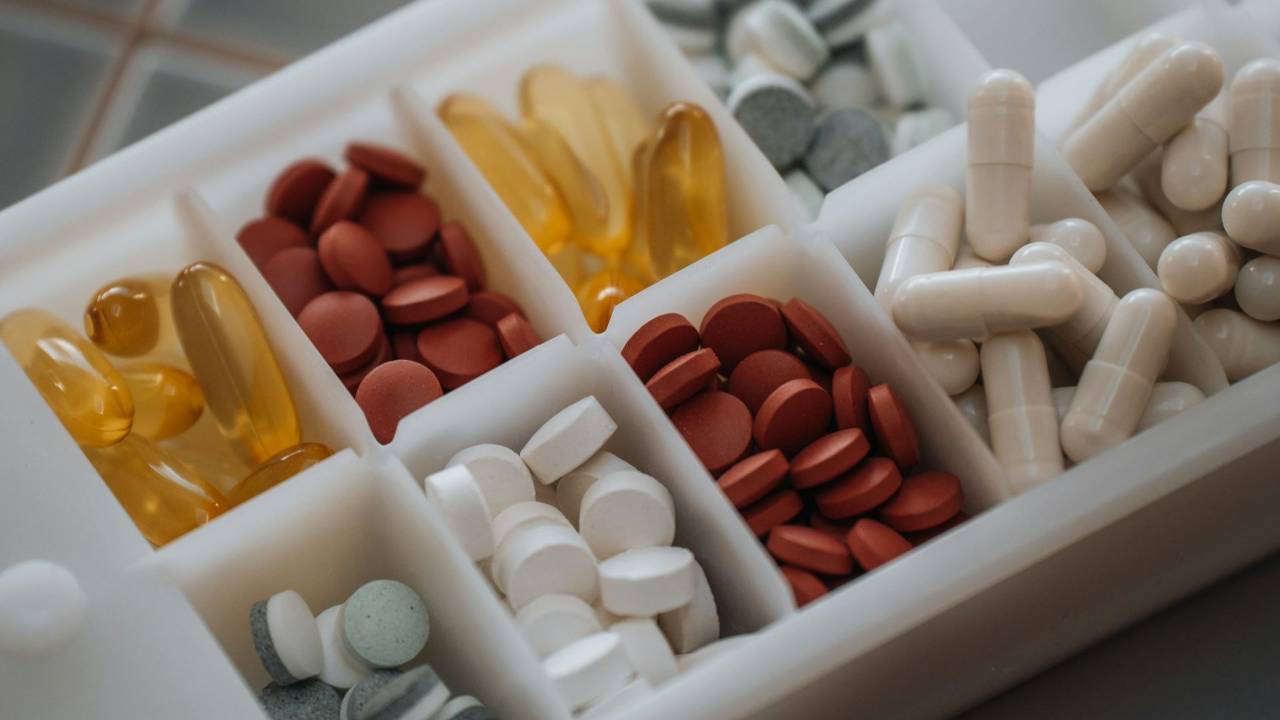
Supplement electrolytes intentionally. Sodium, potassium, magnesium, daily, not occasionally. Especially important on lower-calorie days. To make sure you don't forget, and to start your morning off with better hydration, use it first-thing.
Reduce your histamine food load during titration. Fermented foods, aged cheeses, and processed meats add kindling to a fire that's barely contained.
Keep the histamine load low while you're ramping up.
Consider mast cell stabilizers during ramp-up. Quercetin and luteolin are worth discussing with your practitioner if you're reactive. They support mast cell stability while the GLP-1 effects are still building.
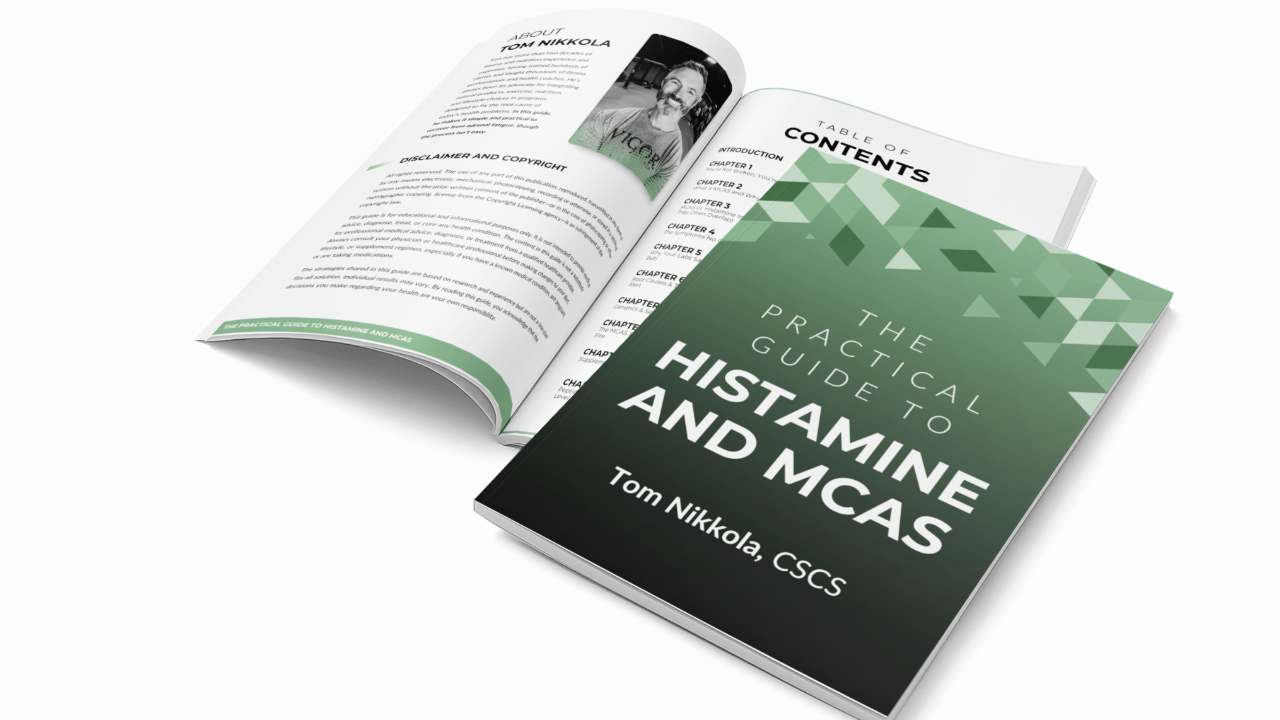
For the best results, follow the entire plan in my Practical Guide to Histamine and MCAS.
The Bigger Point
MCAS doesn't exist in isolation.
Insulin resistance drives inflammation. Inflammation destabilizes mast cells. Unstable mast cells make the gut more permeable. A leaky gut triggers more mast cell activation. Round and round.
Tirzepatide interrupts that loop at multiple points, when it's used with some intention.
The people who flare? Usually under-fueled, titrating too fast, or running an electrolyte deficit. Fix those variables, and the picture almost always changes.
The people who improve? They treated it like the precision tool it is. Adequate protein. Consistent electrolytes. Slow titration.
And they didn't bail the moment their body needed time to adjust.
Most people who feel worse on tirzepatide were already running close to the edge before they started.
The drug didn't break anything that wasn't already fragile. It just made the instability visible.
That's actually useful information if you know what to do with it.
If you want to understand your specific histamine load, mast cell reactivity, and why your body responds the way it does, the Practical Guide to Histamine and MCAS is the most practical place to start.
It's not a generic protocol. It's a framework for understanding your particular situation.
If peptide therapy is something you're exploring, GLP-1 included, this is the practitioner-led company I send clients to (and who I use myself).
Tirzepatide isn't the problem for most people with MCAS. The approach is.
When used right, tirzepatide consistently helps.