3AM Wakeups Aren’t Random. Here’s what your body is telling you.
Feb 22, 2026If you've been waking up around 2:30 to 4:00am, wide awake, heart racing, mind spinning, you are not alone.
Many of my clients describe the same pattern:
- You fall asleep okay
- You wake up in the middle of the night for no obvious reason
- You feel wired but tired
- The next day you are foggy, anxious, and running on fumes
Most people blame one thing: stress.
Stress is part of it.
But if you stop there, you miss what is actually driving the pattern.
In practice, most 3am wakeups come from one or more of these four buckets:
- Cortisol timing is off
- Blood sugar drops overnight
- Hormone shifts increase nighttime reactivity
- Histamine and mast cell flares spike overnight
Poor sleep then feeds the cycle and makes each trigger worse the next night.
1) Cortisol timing problems (tired all day, alert at night)
Cortisol is not bad. You need it.
It is your rhythm and stress response hormone.
The issue is timing:
- Too flat in the morning
- Too elevated at night
That is when people say, “I am dragging all day, then feel alert at bedtime.”
At 3am this feels like:
- sudden wakefulness
- anxious thoughts
- difficulty falling back asleep despite fatigue
Common contributors include:
- chronic stress load
- overtraining without enough recovery
- late caffeine or stimulants
- evening light and screen exposure
- intense work too close to bedtime
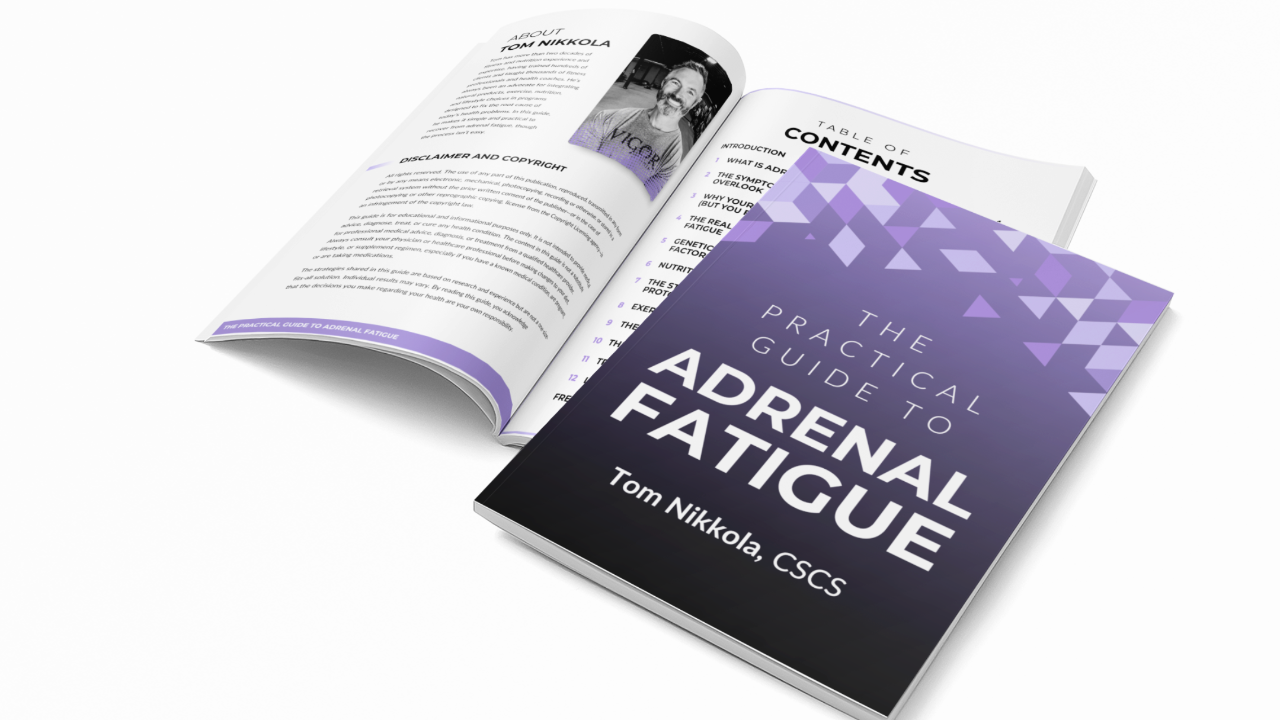
If this sounds like your issue, I'd strongly recommend getting and following my Practical Guide to Adrenal Fatigue!
2) Blood sugar instability (a hidden trigger most people miss)
If blood sugar dips too low overnight, your body treats it as a threat.
It responds with stress hormones, including cortisol and adrenaline, to bring glucose up.
That can wake you fast.
Clues this is your pattern:
- waking with pounding heart or sudden alertness
- waking hungry
- better sleep when dinner is adequate
- worse sleep after alcohol or under-eating
- occasional night sweats or jittery wakeups
You can eat “clean” and still sleep poorly if your evening fuel does not match your physiology.
3) Hormone shifts (especially perimenopause and menopause)
Hormone transitions can make sleep fragile.
As estrogen and progesterone fluctuate, people become more sensitive to:
- stress signals
- temperature shifts
- blood sugar swings
- nighttime cortisol spikes
That is why many people say, “I used to sleep fine. Now everything wakes me up.”
For men, lower testosterone plus high stress load can create a similar light-sleeper pattern.
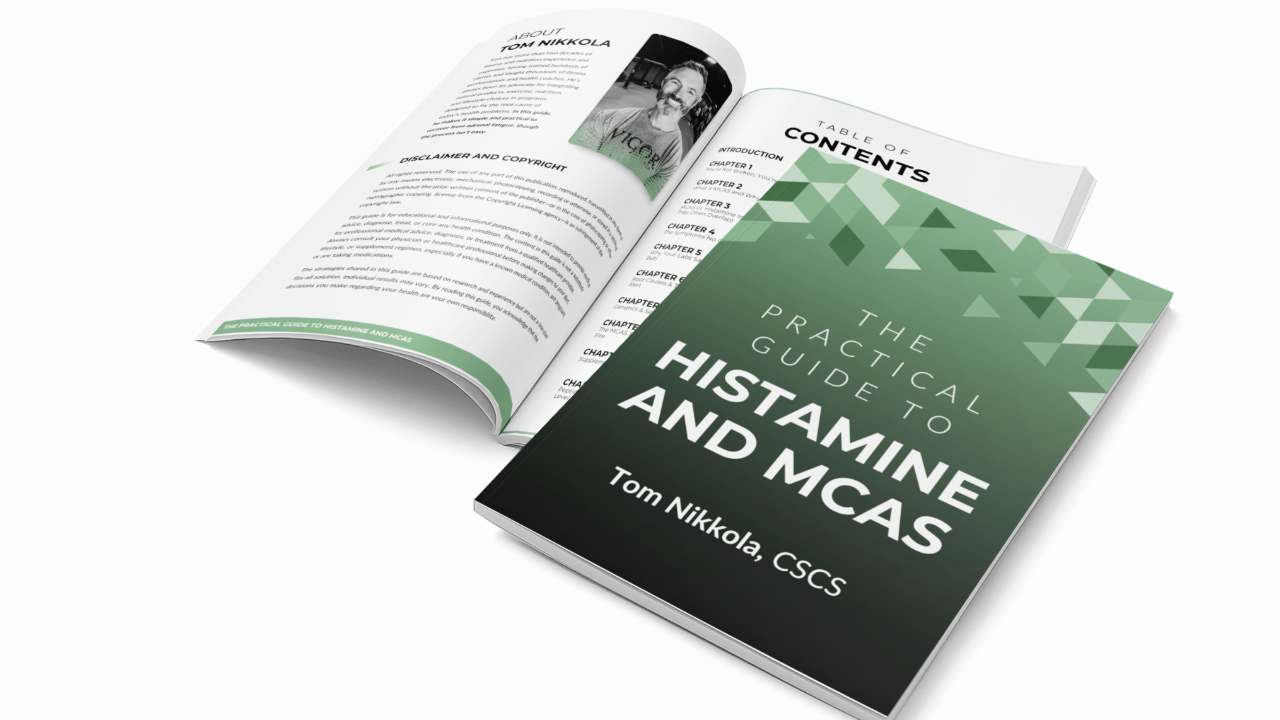
4) Histamine and mast cell flares (important and often overlooked)
Histamine can act like a wake-promoting signal in the brain.
Mast cells can release histamine and other inflammatory mediators when triggered by stress, food load, temperature changes, alcohol, hormones, or immune activation.
If histamine or mast cell activity rises at night, you may see:
- waking around 2am to 4am
- a hot or flushed feeling
- itchy skin, congestion, or sinus pressure at night
- sudden alertness with anxiety-like symptoms
- sleep that gets worse after higher histamine days
This is why some people can do “everything right” and still have broken sleep if mast cell reactivity is not addressed.
Why generic sleep tips fail
Generic tips help, but they are often not enough:
- take magnesium
- avoid screens
- meditate
- try melatonin
Helpful tools, yes. Complete strategy, usually no.
You need pattern-based troubleshooting.
Practical reset plan (start tonight)
Here's a simple and effective plan you can start on tonight!
Step 1: Stabilize evening fuel for 5 to 7 nights
Build dinner around:
- adequate protein (minimum of 30 grams but you can go as high as you want. I try to get at least 80 grams of protein with dinner)
- fiber-rich carbs
- healthy fats
Avoid:
- ultra-light dinners when depleted
- alcohol close to bed (or alcohol consumption in general)
- large sugar swings before sleep
Step 2: Lower nighttime stress and histamine load
In the last 60 to 90 minutes before bed:
- dim lights
- avoid heated conversations and work decisions
- avoid doom-scrolling
- use a short wind-down routine (breathwork, gentle walk, stretching)
If histamine is a known issue for you, keep your evening meal and environment as low-trigger as practical.
Step 3: Track wake pattern for one week
Log:
- wake time
- heart racing (yes/no)
- hunger (yes/no)
- stress level that day (1 to 10)
- dinner composition
- possible histamine trigger exposure that day
This quickly shows whether your main driver is cortisol, blood sugar, hormones, histamine, or a combination.
Common mistakes that keep the cycle alive
- under-eating in the evening
- using late caffeine to survive daytime fatigue
- pushing harder in training while recovery is poor
- adding too many supplements at once
- treating this as a willpower problem
This is a physiology pattern problem, and patterns can be corrected.
If you are still stuck
Do not keep guessing for six more months.
The fastest path is identifying your primary bottleneck and sequencing interventions around that.
If you want help with that, book a consultation here.