MOTS-c Peptide: The Mitochondrial Signal Your Body May Have Stopped Making
Mar 04, 2026You've done the work. You eat well. You exercise when you can. You've cleaned up your sleep, reduced your stress, and tried more supplements than you care to admit.
And yet, your energy still crashes in the afternoon.
That last 10 pounds won't budge.
A workout that used to feel manageable now leaves you wiped for two days.
If this sounds familiar, I want to introduce you to something most people have never heard of: the MOTS-c peptide.
It's not another stimulant. It's not a hormone replacement.
It's a mitochondrial-derived peptide, one your own cells are supposed to produce. And when it's working the way it should, your metabolism, your energy, and your body composition respond in ways that diet and exercise alone often can't replicate.
I know many of you have been asking about when you'd be able to get MOTS-c...it's available now if you're in the U.S. Tap here if you'd like to order it right away
What Is MOTS-c?
MOTS-c, short for Mitochondrial Open Reading Frame of the 12S rRNA-c, was first identified in 2015 by researchers at USC. What made it unusual wasn't just what it did. It was where it came from.
It's encoded in your mitochondrial DNA. Not nuclear DNA. Mitochondrial DNA.
That distinction matters. Mitochondria are the energy-producing organelles inside your cells.
Scientists used to assume mitochondrial DNA was mostly silent—just passing along cellular history. MOTS-c changed that. It turns out mitochondria actively send chemical signals to the rest of the body, signals that regulate metabolism, fat storage, inflammation, and how you respond to exercise.
Think of MOTS-c as your mitochondria's way of saying: "This is what we need to function. Now go make it happen."
MOTS-c Peptide Benefits: The Mechanisms That Matter
Here's where it gets relevant, especially if you've been dealing with the kind of dysfunction my guides are built around.
1. MOTS-c Activates AMPK, Your Metabolic Master Switch
AMPK (AMP-activated protein kinase) is like a power switch for your metabolism. When it's on, your cells burn fat for fuel, improve insulin sensitivity, and reduce low-grade inflammation. MOTS-c directly activates AMPK, which is one reason researchers have called it an exercise mimetic peptide, because its effects can mirror what happens when you train consistently, even on days you don't.
2. It Improves Insulin Sensitivity
Insulin resistance is one of the most common and underdiagnosed drivers of stubborn fat, especially around the midsection.
If your body seems to hold weight no matter what you eat, insulin signaling is often part of that story.
MOTS-c has been shown to improve glucose uptake in muscle tissue and reduce liver glucose production, two processes central to reversing insulin resistance.
3. It Targets Visceral and Liver Fat
This is the fat around your organs, not the fat you can pinch, but the kind that drives metabolic dysfunction and systemic inflammation.
MOTS-c has been shown in research to reduce visceral adiposity and liver fat, particularly under high-fat dietary conditions. That's significant, because most interventions that address this fat meaningfully are either pharmaceutical or require extreme restriction.
4. It Supports the Mitochondria That Produce It
Here's the loop worth understanding: MOTS-c helps protect and optimize the very mitochondria that make it.
When mitochondria are damaged, from poor sleep, chronic inflammation, environmental toxins, or aging—MOTS-c production drops.
Less MOTS-c means worse mitochondrial function, which means even less MOTS-c. It's a downward spiral. Supplementing with MOTS-c may help interrupt that cycle.
5. It Has Anti-Inflammatory and Longevity-Related Properties
MOTS-c levels decline significantly with age, especially after 40. Research has noted that centenarians tend to have higher circulating MOTS-c than age-matched peers, sparking serious interest in its role in healthy aging.
It appears to modulate inflammatory signaling pathways, including those involved in metabolic stress and oxidative damage, two of the most significant drivers of age-related decline.
MOTS-c as an Exercise Mimetic: The Physical Performance Connection
One of the most compelling aspects of MOTS-c is that it behaves like an exercise mimetic peptide, and it also responds to exercise.
When you work out, MOTS-c levels increase naturally in skeletal muscle, by as much as 11-fold in some research.
When you're sedentary or under chronic stress, they drop. This bidirectional relationship has led scientists to describe it as "exercise-inducible," and some researchers are exploring its role in populations who physically can't exercise due to illness or injury.
The practical point: if you want to exercise more but keep getting derailed by fatigue or slow recovery, MOTS-c may help restore the baseline that makes consistent training possible again.
It won't replace the workout. But it may help you actually benefit from the one you're able to do.
This would be huge for those with exercise intolerance!
Who Should Consider MOTS-c Peptide Therapy?
If you've followed me for a while, you already know the conditions I address tend to share a common thread: mitochondrial dysfunction.
The fatigue, the weight resistance, the hormonal chaos...they often trace back to how well your cells are producing and managing energy.
MOTS-c peptide therapy may be especially relevant if you're dealing with:
- Unexplained fatigue that doesn't improve with rest or sleep
- Weight resistance: eating well, moving consistently, and still not losing those last 10 pounds
- Poor exercise tolerance: workouts that used to feel manageable now feel crushing or require excessive recovery
- Blood sugar irregularities: energy crashes, cravings, and post-meal brain fog
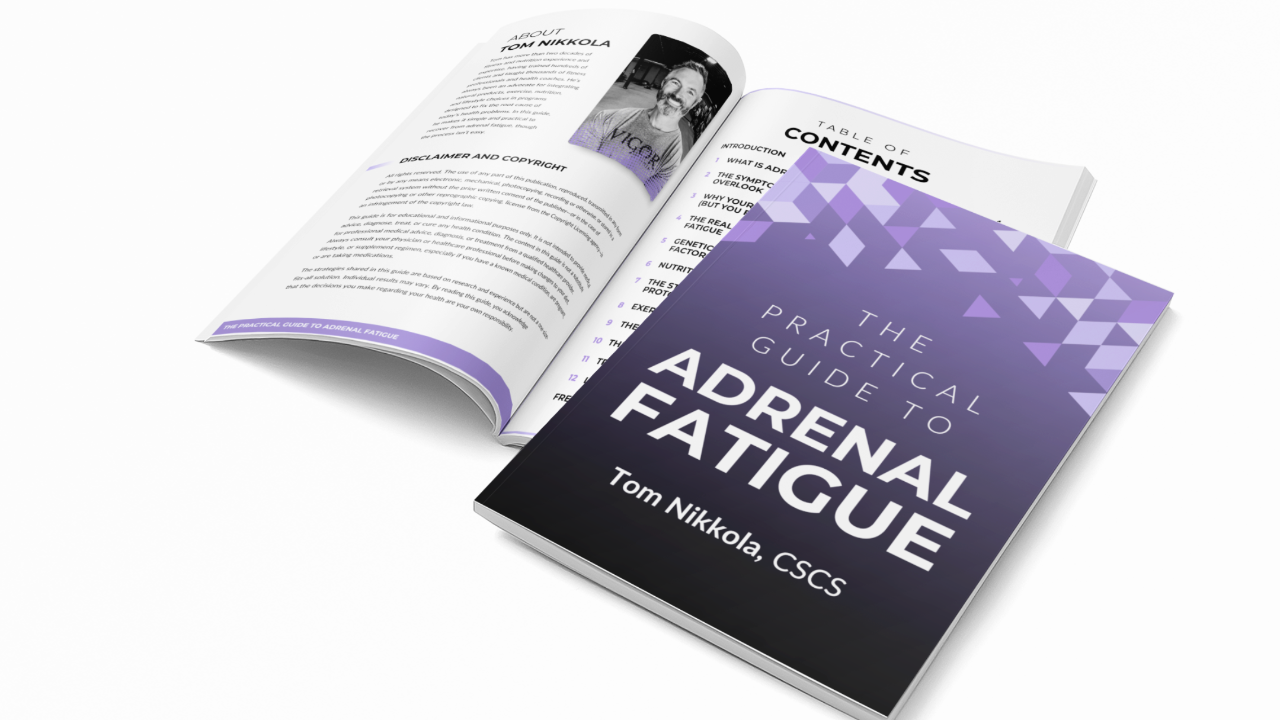
- HPA axis dysfunction: the adrenal fatigue pattern where your body simply can't keep up with demand
- Perimenopause or menopause: a phase where mitochondrial efficiency drops alongside estrogen
- MTHFR or methylation issues: because poor methylation impairs mitochondrial DNA repair and energy output
- Histamine intolerance or MCAS: conditions where systemic inflammation chronically taxes mitochondria
In other words: if your body feels like it's working against you despite doing everything right, MOTS-c addresses something at a layer most interventions never reach.
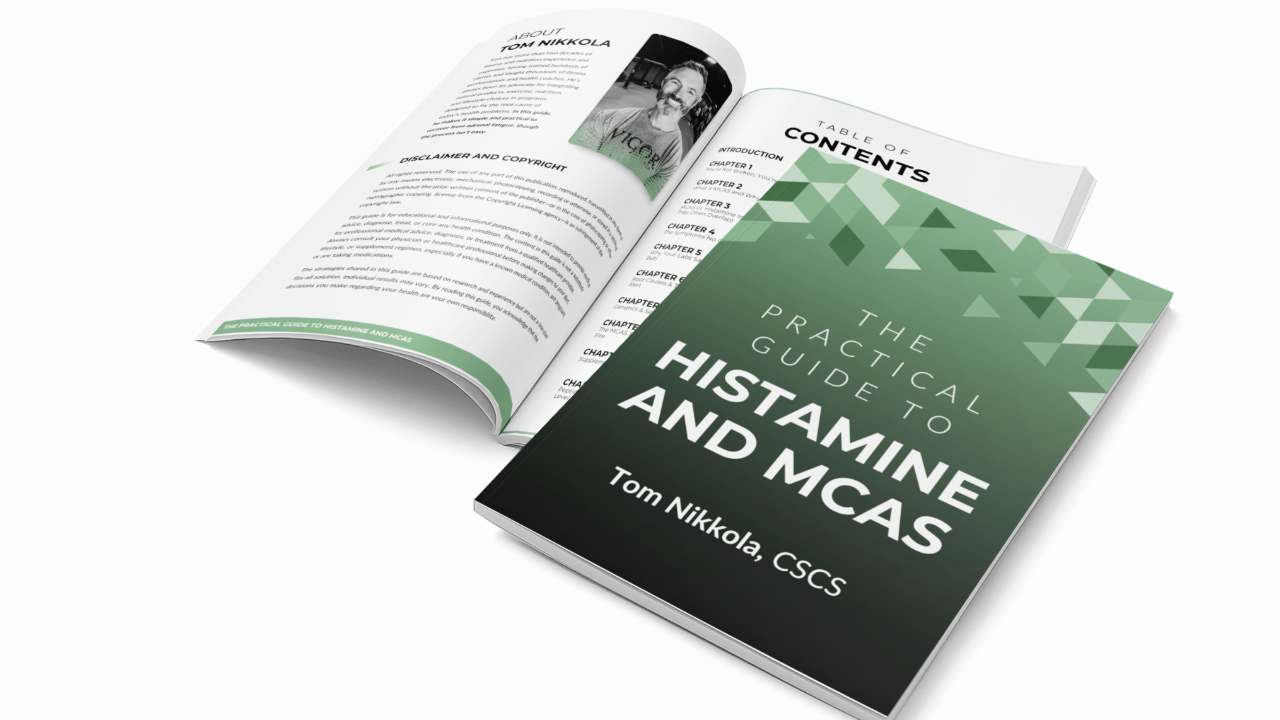
Not sure where to start on the upstream issues? The Full Practical Guide Library covers each of these conditions in depth.
Mitochondria and the Conditions I See Every Day
Let's connect some dots.
MTHFR and methylation affect how your body repairs mitochondrial DNA.
Adrenal dysfunction creates the kind of sustained cortisol load that degrades mitochondrial efficiency over time. Histamine and mast cell activation drive chronic inflammation that disrupts cellular energy production. SIBO and gut dysfunction reduce absorption of the nutrients mitochondrial enzymes depend on.
These aren't separate problems with separate solutions. They share a common substrate: how well your cells produce and use energy.
MOTS-c doesn't fix all of those upstream issues. But it speaks directly to the mitochondrial layer where they converge. If you've been addressing the root causes, and my guides cover them in detail, MOTS-c can help you actually feel those changes in your daily energy, body composition, and resilience.
Does MOTS-c Stack Well with Microdosing Tirzepatide?
Yes, and this is one of the more interesting combinations in functional peptide medicine right now.
Tirzepatide works primarily at the GLP-1 and GIP receptor level. It reduces appetite, improves insulin signaling, and lowers systemic inflammation. All of that is valuable. But it doesn't directly address mitochondrial function or cellular energy production.
That's where MOTS-c fills the gap.
Think of it this way: Tirzepatide changes the signaling around food and appetite. MOTS-c changes how your cells use the energy from that food. They're working at different levels of the same metabolic problem, which is why they complement each other well rather than compete.
For someone microdosing Tirzepatide, especially a woman navigating perimenopause with insulin resistance, weight resistance, and fatigue, adding MOTS-c may help:
- Improve the metabolic flexibility that makes Tirzepatide's fat-burning effects more pronounced
- Reduce the fatigue some people experience when starting a GLP-1 protocol
- Preserve muscle more effectively, since MOTS-c supports mitochondrial function in muscle tissue
- Extend and deepen the metabolic improvements beyond what GLP-1 alone can achieve
How Does MOTS-c Compare to NAD+ or Methylene Blue?
All three target mitochondrial health, and people often ask whether you need all of them or whether one replaces another. The short answer is: they work differently, and for most people, they're complementary rather than interchangeable.
MOTS-c vs NAD+
NAD+ (or its precursors like NMN or NR) works by replenishing a coenzyme that mitochondria need to run the energy production process. Think of NAD+ as restocking the raw materials your mitochondria burn through.
MOTS-c works upstream of that. It's not adding fuel, it's changing how the factory operates. It activates AMPK, modulates gene expression, and shifts metabolic behavior at a systems level.
They're genuinely complementary: NAD+ supports the substrate; MOTS-c improves the machinery.
MOTS-c vs Methylene Blue
Methylene blue is a direct mitochondrial optimizer. It physically participates in the electron transport chain.
MOTS-c is a signaling molecule. It tells mitochondria and the nucleus how to behave, which has broader downstream effects on metabolism, inflammation, and fat storage.
Methylene blue tends to produce noticeable short-term effects on focus and energy. MOTS-c is a slower burn. Its effects build over weeks and are more structural than acute.
If you're building a mitochondrial support stack, think of it in layers.
Nutrition and lifestyle first. NAD+ precursors and methylene blue for substrate support. MOTS-c for the signaling architecture. Each one does something different.
The question is where you're losing the most ground.
MOTS-c Peptide Therapy: How It's Used
MOTS-c peptide therapy is typically administered via subcutaneous injection, the same small insulin needle used for most peptide protocols.
It's quick, essentially painless, and done at home. Research has used doses generally in the range of 5–10 mg per week, often divided across multiple days, though clinical protocols vary based on individual health history and goals.
In the U.S., MOTS-c is available through compounding pharmacies via a licensed telehealth provider. Tap here for the telehealth provide I use and refer my clients to.
What to Realistically Expect
MOTS-c isn't a magic fix. It's a signaling molecule, and like all signaling molecules, its impact depends on the environment it's working in.
If your mitochondria are burdened by chronic stress, poor sleep, nutritional gaps, or environmental toxins, MOTS-c will have less to work with. The foundational work still matters.
That said, when the basics are reasonably in place, people using MOTS-c commonly report:
- Better energy: more stable throughout the day, fewer afternoon crashes
- Improved body composition: particularly around the midsection, typically visible after 4–6 weeks
- Better exercise tolerance and faster recovery
- Reduced blood sugar swings: fewer post-meal energy crashes and cravings
- A sense that the body is finally working with you again
That last one is harder to quantify but consistently described. And if you've been in a body that feels like it's fighting you, despite doing everything right, you know exactly how meaningful that shift is.
Your Next Steps
1. Address the foundation first. Methylation, gut function, adrenal output, and histamine tolerance all affect how well peptide therapies work. My guides cover each in depth. Start with the one that resonates most, or grab the Full Practical Guide Library if you want the whole picture.
2. Explore MOTS-c through a qualified provider. If you're in the U.S., tap here for the telehealth company I use and recommend. They can walk you through whether MOTS-c fits your situation, what protocol makes sense, and how to track your progress.
3. Book a consultation for a personalized approach. If you'd rather work through this with someone who knows your full health picture, I'm available for personalized consultations and can help you map out where MOTS-c fits within your broader strategy, including your nutrition, exercise, lifestyle and supplements.
Your mitochondria have been doing their best. But "their best" may be limited right now, not because of anything you did wrong, but because of a signaling gap that, until recently, we didn't even know existed.
The MOTS-c peptide is one of the most exciting developments I've seen in functional medicine in years. Not because it's a shortcut, but because it addresses a root-level problem that most interventions completely miss.
Your cells already know how to do this. Sometimes they just need a reminder.