DSIP: this peptide sends you to deep, deep sleep
Mar 25, 2026"I fall asleep fine. I just never feel like I actually slept."
If I had a dollar for every time I've heard that, I'd have a very comfortable retirement fund.
You go to bed at a reasonable hour. You're not looking at your phone (well, mostly not).
You wake up eight hours later and feel like you barely closed your eyes. Your joints are stiff. Your brain is foggy. Your motivation is somewhere between zero and negative.
Here's the thing: you might be sleeping. You're just not getting into the right kind of sleep.
There's a specific phase of sleep where the real work happens... where your brain clears out cellular waste, your growth hormone peaks, your immune system rebuilds, and your cortisol finally drops.
It's called delta sleep. And for millions of people, especially women in perimenopause, people with adrenal stress, thyroid dysfunction, MCAS, or a history of poor sleep, delta sleep is exactly what's missing.
Today I want to introduce you to a peptide called DSIP, Delta Sleep-Inducing Peptide. It just became available, which is why I'm sending this email right now.
But more importantly, I think a lot of people will read this and think: that's me.
Already know you want this peptide? Tap here to get started.
Note: After tapping the link, you'll be directed to a login page. To access the peptide, you do need to login. If you don't have an account, tap the "Register for free" link just under the orange login button. started
What Is DSIP?
DSIP stands for Delta Sleep-Inducing Peptide. It was first isolated in 1977 from the brain of sleeping rabbits by Swiss researchers who were trying to understand what actually triggers deep sleep.
They found a tiny nine-amino-acid peptide in the blood that, when injected into other animals, induced delta-wave sleep within minutes.
Nine amino acids. That's it.
Your body naturally makes this peptide.
It's found in your hypothalamus, your brainstem, your gut, and even in human breast milk (ever wonder why babies fall asleep so easily after nursing?).
DSIP peaks in the afternoon and evening.
It crosses the blood-brain barrier freely, which many larger peptides can't do.
And its job is singular and specific: help your brain shift into delta-wave sleep, the slow, deep, restorative kind that most sleep trackers call Stage 3 or deep sleep.
What makes it interesting, beyond sleep, is that DSIP also appears to:
- Lower cortisol when it's elevated, not suppress it, regulate it
- Support luteinizing hormone (LH) release, which optimizes estrogen and testosterone production
- Modulate the HPA axis, the exact system that gets dysregulated with chronic stress and adrenal fatigue
- Reduce stress-related sleep disruption at the neurological level
- Show neuroprotective and adaptogenic properties in emerging research
It's not a sedative. It doesn't knock you out.
It works the way your own biology is supposed to work. It helps your brain remember how to fall into the sleep that actually heals you.
Why Delta Sleep Is the Missing Piece
Most people think about sleep in terms of hours. Eight hours good, five hours bad. But the research tells a different story.
What matters just as much as quantity is what your brain is doing while you sleep. During delta sleep, Stages 3 and 4, characterized by slow delta waves on an EEG, your body is doing its most important repair work:
- Growth hormone peaks. This is when the bulk of nightly GH is released, which drives cellular repair, fat metabolism, and muscle recovery.
- Your glymphatic system clears. The brain literally flushes out metabolic waste products, including inflammation markers. Skip enough delta sleep and you feel it in your cognition.
- Cortisol bottoms out. Delta sleep is when your adrenals finally get to rest. No deep sleep = no real adrenal recovery.
- Immune function is supported. Cytokine production, immune cell activity, all peak during slow-wave sleep.
- Emotional regulation resets. The emotional brain processes the day's stress during deep sleep. Without it, anxiety and emotional reactivity are harder to manage the next day.
Now think about who tends to lose delta sleep first: women in perimenopause, people with elevated cortisol patterns, those dealing with MCAS, thyroid dysfunction, or HPA axis dysregulation. Sound familiar?
Fluctuating estrogen directly disrupts deep sleep architecture.
Cortisol that's still elevated at bedtime delays and suppresses slow-wave sleep.
Mast cell activation can cause night wakings as histamine spikes in the evening.
Thyroid dysfunction affects the neurological regulation of sleep stages.
These aren't separate problems. They all converge on the same outcome: you don't get enough delta sleep, and everything downstream suffers.
DSIP vs. Sermorelin: Two Different Mechanisms, One Goal
If you've been following my newsletters for a while, you've heard me talk about sermorelin, a growth hormone-releasing hormone analog that I consider one of the better entry points into peptide therapy for sleep and recovery. It works beautifully for a lot of people.
So how does DSIP fit in? Are they competing? Should you use one or the other?
The short answer: they work completely differently, and for many people, they complement each other.
Sermorelin works upstream on your pituitary gland. It mimics your body's natural GHRH signal, telling the pituitary to release a pulse of growth hormone. That GH pulse, which naturally occurs in the first 90 minutes of sleep, amplifies delta sleep, drives recovery, and supports body composition over time.
Think of sermorelin as enhancing the downstream environment that quality sleep creates.
DSIP works directly on the brain's sleep-wake regulation system. It doesn't go through growth hormone. It targets the neural pathways and neurotransmitter systems, including NMDA receptors and the circadian system, that initiate and maintain delta-wave sleep in the first place.
It also modulates cortisol at the HPA axis level, which is part of why it can be so useful for people whose stress response is keeping them from falling into deep sleep.
Here's the practical distinction: sermorelin helps your body get more out of deep sleep. DSIP helps you actually get into deep sleep.
Both work. They're not competing, they're operating at different points in the same process.
A few practical differences worth noting:
- Timing: DSIP is typically taken 1–2 hours before bed; sermorelin is taken 30 minutes before sleep.
- Mechanism: DSIP modulates the neural initiation of sleep; sermorelin amplifies the hormonal environment during sleep.
- Duration of effect: DSIP taken during the day or early evening can improve sleep quality for several nights, it's not just a same-night effect.
- Who responds best: DSIP tends to be particularly well-suited for people with stress- and cortisol-driven sleep disruption, while sermorelin may be a better primary choice for people focused on GH, recovery, and body composition alongside sleep.
Who Benefits Most from DSIP
This is the part where I want you to read slowly and honestly. Because DSIP isn't for everyone, but for the right person, it can be genuinely transformative.
You're likely to be in that group if you:
- Wake feeling unrefreshed despite adequate hours in bed
- Have been told you're a light sleeper or that stress is affecting your sleep
- Are in perimenopause or post-menopause and noticed sleep changed significantly
- Deal with adrenal fatigue, HPA axis dysregulation, or chronically elevated cortisol
- Have MCAS or histamine intolerance with symptoms that worsen at night
- Have thyroid issues, especially subclinical hypothyroidism, that seem to affect your recovery
- Feel the downstream effects of bad sleep on your mood, cognition, body composition, or inflammation
- Want to wean off sleep medications but need something that supports natural sleep architecture
DSIP doesn't sedate you. It doesn't create dependency. Based on available research, it doesn't induce tolerance with repeated use, which is a meaningful distinction from most pharmaceutical sleep aids.
It supports the kind of sleep your body is already wired to have. It just needs the signal to actually get there.
The Bigger Picture: Why Sleep Is the Foundation
I have a core philosophy that I've built 25 years of work around. It's this: better sleep, a high-protein diet, and strength training are the three non-negotiables for almost any health condition you're dealing with.
Not because they're magic. Because your body cannot repair, regulate, or respond to anything... hormones, gut healing, immune function, body composition... without the foundational inputs working.
Sleep is first on that list for a reason.
You can optimize everything else and still feel broken if you're not getting restorative sleep.
Sleep is when your body consolidates everything else you're doing: the supplements, the nutrition, the training, the stress management. Without it, you're leaving most of the benefit on the table.
This is why DSIP matters beyond just "sleeping better." Better delta sleep means:
- More effective recovery from training
- Better insulin sensitivity and body composition outcomes
- Lower baseline cortisol and improved HPA regulation
- Reduced systemic inflammation
- Stronger immune function and better immune tolerance (relevant for MCAS)
- Improved mood, cognitive clarity, and stress resilience
Everything I work on with clients... methylation, histamine, gut health, hormones, adrenal function... is more responsive when sleep is dialed in.
DSIP is one of the most targeted tools I've seen for addressing the specific gap that most people are missing.
How to Get Started
Getting started is simple and straightforward if you live in the U.S.
⭐️ Tap here to access DSIP. After tapping the link, you'll be directed to a login page. To access the peptide, you do need to login. If you don't have an account, tap the "Register for free" link just under the orange login button.
Then, once you're on the DSIP page, tap the order button, complete your questionnaire, and excitedly wait for your EllieMD network physician to send your prescription to the compounding pharmacy.
And if you haven't already, it's worth building your understanding of the systems that drive your sleep disruption in the first place.
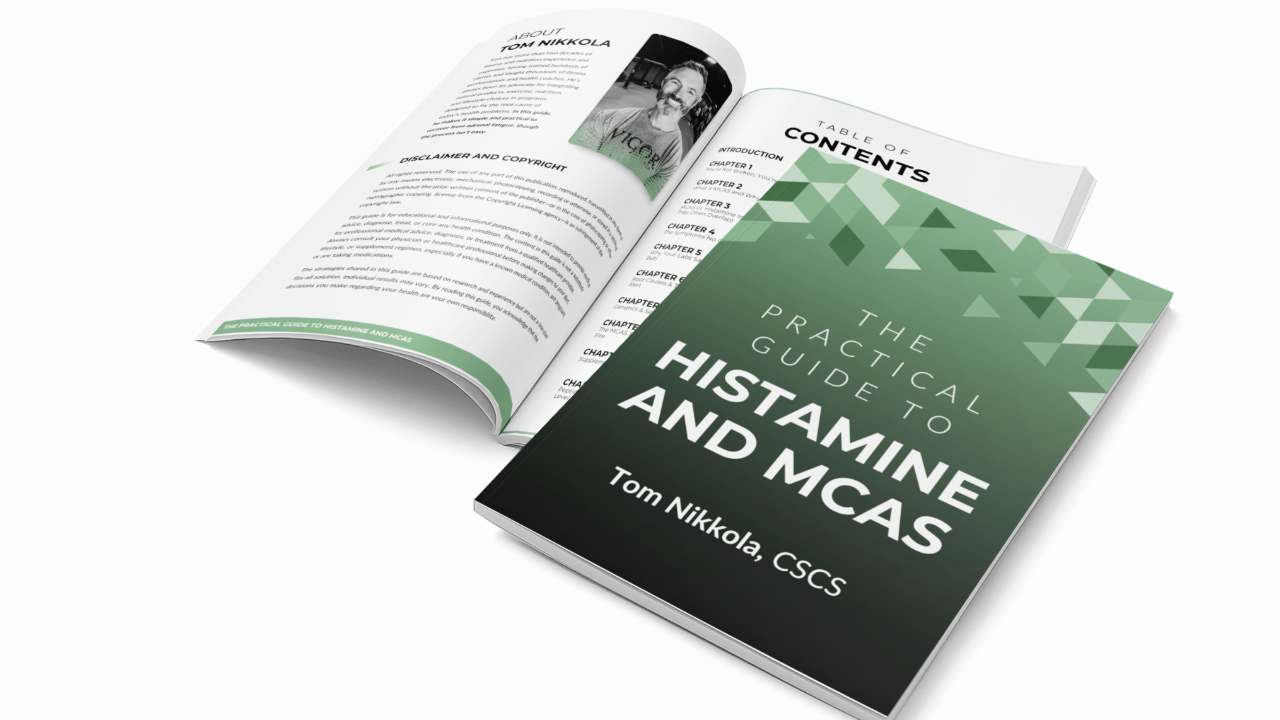
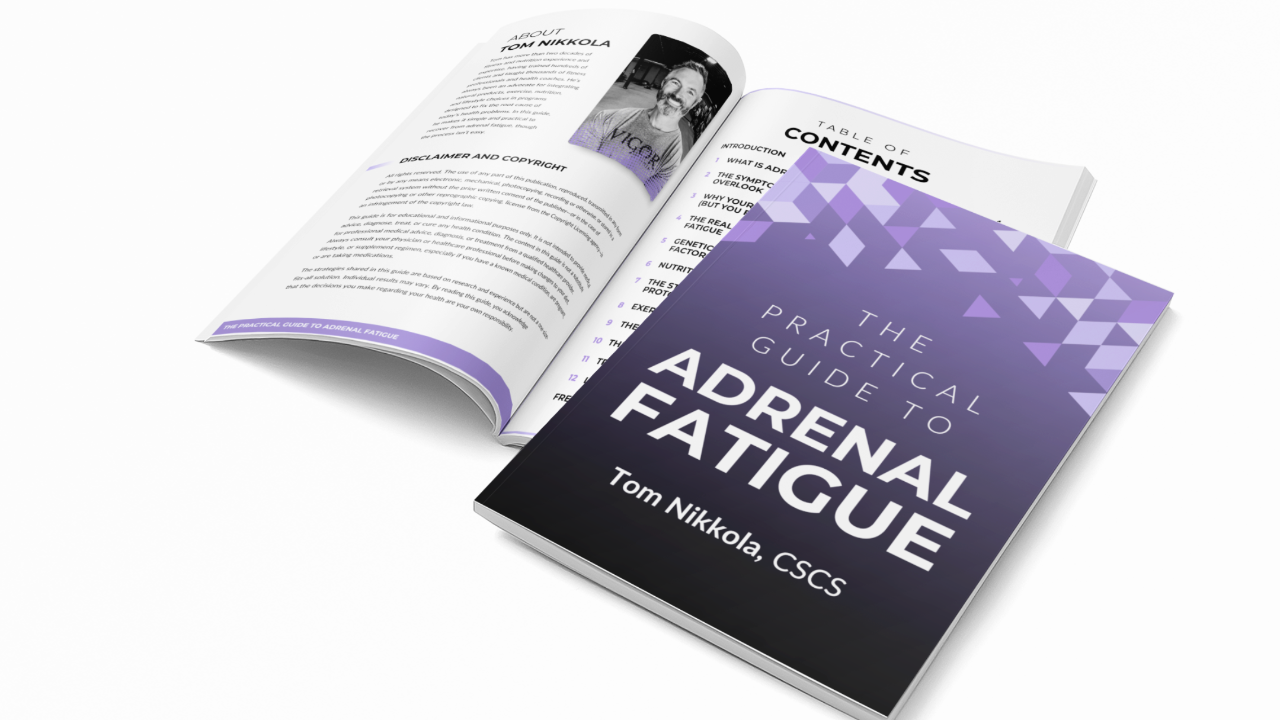
The guides I've put together on adrenal dysfunction and histamine/MCAS go deep on the mechanisms that most often undermine delta sleep for the people I work with.
→ Adrenal Fatigue Guide | Histamine & MCAS Guide
Or browse the full library if you want to start from a systems view: Full Practical Guide Library.
And if you'd like to talk through your specific situation, I'm available for a consultation here.
Bottom line: DSIP is a peptide your body already recognizes. It's not about forcing your system to do something unnatural. It's about restoring a signal that chronic stress, hormonal shifts, and a dysregulated nervous system have quietly turned down over the years. For the right person, that signal is exactly what's been missing.
Better sleep fixes more than sleep. It fixes you.