If you’ve spent any time in the health and biohacking world over the past few years, you’ve probably heard methylene blue mentioned in the same breath as things like red light therapy, peptides, and mitochondrial support.
You’ve also probably wondered: “Is this legit… or just another wellness fad?”
Fair question.
Because methylene blue looks strange. It turns your tongue blue if you use the pure liquid form of it. In higher doses, it can tint your urine like a highlighter spill. And it has one of the most unusual histories of any compound we use today...pharmaceutical, nutraceutical, or otherwise.
Yet behind that weird blue color is one of the most fascinating, well-studied mitochondrial enhancers we have… and one that’s finally getting the attention it deserves.
Today’s email is your deep dive...what methylene blue is, where it came from, what it actually does, who it helps, who should avoid it, and how to use it safely.
Grab your coffee. This one’s worth reading!
If you're eager to get started with Methylene Blue, tap here!
What Methylene Blue Actually Is
Most people assume methylene blue is some new discovery floating around the biohacking world. In reality, it was the first fully synthetic pharmaceutical ever created, developed in 1876 as a textile dye.
It wasn’t long before researchers noticed that it behaved strangely in biological systems. It didn’t just color tissue, it changed how cells produced energy.
By the early 1900s, methylene blue was being used:
-
To treat malaria
-
As a treatment for carbon monoxide and cyanide poisoning
-
As a surgical stain
-
To enhance mitochondrial function long before we even knew what mitochondria were
It has more than 140 years of published research behind it. Very few compounds in the modern wellness world can say that.
But here’s where things get interesting.
Why Methylene Blue Works: The Mitochondria Connection
If you’ve followed my content for a while, you know how central mitochondrial health is for overall energy, metabolism, brain function, mood, and hormone balance.
Mitochondria aren’t just the “powerhouses of the cell,” they’re the decision-makers for aging, inflammation, and resilience.
Methylene blue interacts directly with the mitochondrial electron transport chain. In simple terms:
-
When your mitochondria are running well, methylene blue makes them run better and more efficiently.
-
When your mitochondria are struggling, methylene blue can bypass damaged parts of the energy-production system and keep ATP production going.
That’s why people often feel more mental clarity or energy within minutes of a micro-dose.
It’s also why researchers are looking at it for neurodegenerative disease, depression, long COVID recovery, concussion rehab, and more. The mechanism makes sense across multiple systems.
The Benefits People Notice Most
If you strip away the hype and go straight to the research and real-world results, methylene blue consistently supports four main areas:
1. Cognitive Performance & Focus
Methylene blue has been shown to:
-
Improve working memory
-
Enhance attention
-
Increase cerebral oxygen use efficiency
-
Support mitochondrial function in the prefrontal cortex
People describe it as “clean focus,” not stimulant-based focus. Think: clarity without jitters.
This is why so many people use it for deep work sessions, studying, or mental fatigue.
2. Mood, Motivation, and Resilience
Low-dose methylene blue acts as a redox balancer, helping restore optimal signaling in parts of the brain related to mood and emotional regulation.
Research shows benefits for:
-
Low motivation
-
Mild depression
-
Brain fog related to inflammation
-
Post-viral or post-concussion mood impairment
If the brain is running on low energy, mood struggles follow. Supporting the mitochondria often helps lift both.
3. Cellular Energy & Athletic Recovery
Because of its mitochondrial effects, methylene blue can:
-
Increase ATP production
-
Enhance tolerance to physiological stress
-
Support faster recovery after intense exercise
-
Improve oxygen utilization
A lot of athletes use it before training sessions. A lot of everyday people use it during afternoon slumps instead of caffeine.
4. Anti-Inflammatory & Antimicrobial Effects
This part is what made methylene blue famous in the early 1900s.
It has:
-
Antiviral
-
Antifungal
-
Antibacterial
-
Anti-parasitic
properties at specific concentrations.
I’m not saying methylene blue replaces medical treatment for infections...of course not. But this is why it was used before modern antibiotics existed, and why you still see it used in hospitals today.
Who Is Most Likely to Benefit
Those who tend to notice the biggest difference are those dealing with:
-
Brain fog
-
Low energy despite “clean” lifestyle habits
-
Long COVID or lingering post-viral symptoms
-
Mild depression or low motivation
-
Concussion history
-
Chronic inflammation
-
Mitochondrial dysfunction (common in adrenal fatigue, MCAS, mold exposure)
-
High stress, low resilience states
If your mitochondria are underperforming...and today, most people’s are...methylene blue can sometimes feel like flipping a switch back on.
But It’s Not for Everyone. Who Should Avoid It?
This part is important, because methylene blue is incredibly safe when used correctly… but the wrong type or wrong dose can cause problems.
Avoid or use only with medical supervision if you have:
- G6PD Deficiency or high risk of G6PD
- Abnormal kidney function
- Pregnancy or breastfeeding
- Use of antidepressants or other serotonergic medications
- History of serotonin syndrome
- Allergy to thiazine dyes
What Using Methylene Blue Feels Like
Most people describe the effects like this:
-
Mild boost in energy
-
Clearer thinking
-
Faster verbal processing
-
Better mood
-
Reduced brain fog
-
Enhanced productivity
-
Slight “lift” in motivation
-
Better mental stamina by midday
You don’t feel “stimulated.” You feel like your brain is finally getting good fuel again.
A small percentage of people feel nothing at first. This is usually because:
-
The dose is too high
-
The dose is too low
-
They’re using contaminated methylene blue
-
Their body is highly inflamed or stressed and needs foundational support first
-
Their gut is impaired (common after antibiotic use)
In the same way BPC-157 or NAD+ work better when your foundation is in place, methylene blue often amplifies improvements you’re already working on.
Purity Matters. A Lot.
This is the biggest mistake I see people make:
They buy methylene blue made for fish tanks…
Or photography…
Or industrial dye use…
Because from a shady website becasue it's cheap.
Here’s the problem:
Those products are often contaminated with heavy metals and industrial solvents.
They are not pharmaceutical grade.
They are not intended for human use.
And they can cause real harm.
You should only use methylene blue that is:
-
USP or pharmaceutical grade
-
Third-party tested
-
Free of contaminants
-
Labeled specifically for human use
If you would never drink aquarium water cleaner, you shouldn’t be using aquarium-grade methylene blue.
This is why sourcing matters more with MB than almost any other compound.
This is the source I use and recommend.
How to Use Methylene Blue Safely
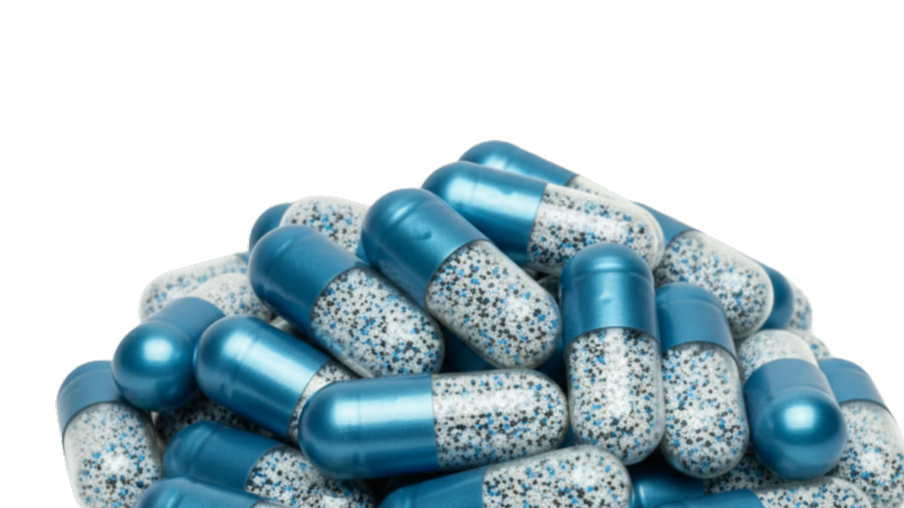
The protocol I follow is 10 mg five days per week. It's simple. Oh, and the methylene blue I recommend comes in capsule form so your mouth won't turn blue after using it.
Stacking Methylene Blue With Other Tools
Here’s where things get fun. Methylene blue pairs well with:
Red light therapy
Both support mitochondrial efficiency through related pathways.
Creatine
Enhances ATP recycling while MB improves ATP production.
NAD+ precursors or injections
Supports mitochondrial biogenesis and repair.
BPC-157 or TB-500
Great for recovery states, especially post-injury or post-viral.
Omega-3s & antioxidants
Help stabilize the redox environment methylene blue improves.
You don’t need all of these, obviously. But if you’ve been working on mitochondrial repair already, methylene blue often layers on beautifully.
Common Questions I Get
Does it stain your teeth?
Temporarily, yes if you use the liquid form. Rinse immediately after. Some people drink it through a straw.
However, you don't need to worry about that if you use the methylene blue I linked to above.
Will it turn my urine blue?
At higher doses, yes. With micro-doses, it’s usually a slight tint.
How fast does it work?
Some feel it within 20–30 minutes. Others notice cumulative benefits over 3–7 days.
Can I use it daily?
Yes, many people do.
I think the 5 days on, 2 days off approach is a better way to go.
Final Thoughts
Methylene blue isn’t magic.
It won’t fix sleep deprivation, nutrient deficiencies, poor protein intake, or chronic stress.
But when your foundation is solid…
When your lifestyle is aligned…
When your mitochondria just need a nudge…
It can be one of the most impressive mental and cellular performance enhancers you’ll ever experience.
The key is respecting it:
-
Use a pure source
-
Start with a micro-dose
-
Know your contraindications
-
Pair it with good habits
-
Listen to your body
If you do that, methylene blue becomes a tool, not a trend, supporting your energy, resilience, and brainpower in a very real way.




Responses