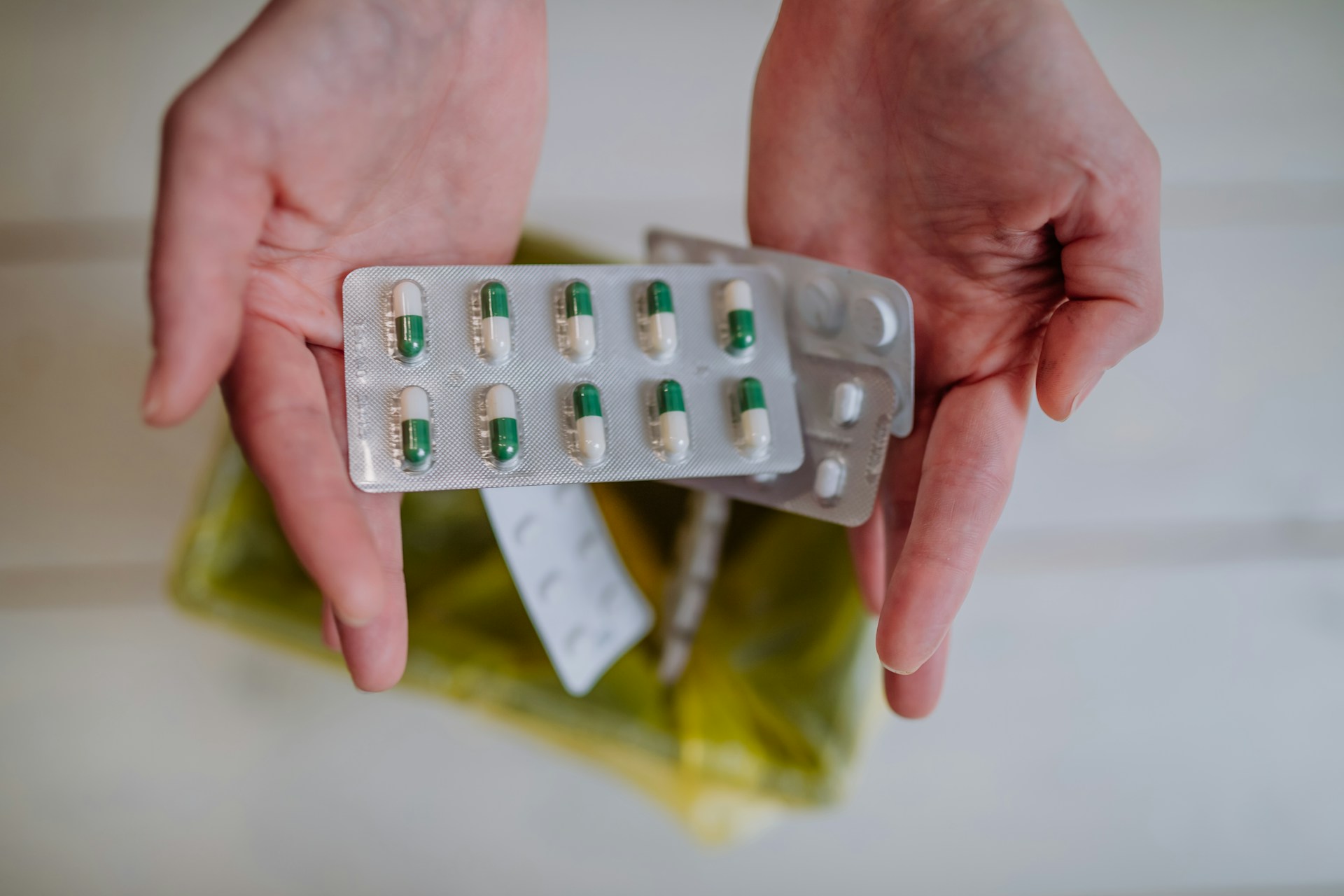
Most of us grew up believing antibiotics were harmless.
Necessary.
A medical safety net.
Ear infection? Antibiotics.
Sinus infection? Antibiotics.
Bronchitis? Antibiotics “just in case.”
And to be clear, antibiotics can be lifesaving when they’re truly needed.
But there’s a pattern I see constantly now in many of my clients as they talk about their childhood.
It looks something like this:
As a child, they often got sick.
When they got sick, the often took antibiotics.
They'd “recover.”
Then they get sick again… and again… and again.
Over time, the infections seem more frequent. Recovery takes longer. And eventually, something changes. The illness isn’t just about colds anymore.
It becomes:
• Digestive issues
• Anxiety or mood changes
• Chronic fatigue
• Skin problems
• Food sensitivities
• Brain fog
• Autoimmune symptoms
And later in life, many say the same thing: “I was on antibiotics all the time as a kid.”
This isn’t coincidence. And it isn’t bad luck.
It’s biology.
Antibiotics Don’t Just Kill the Bad Guys
Antibiotics don’t discriminate.
They don’t target only the bacteria causing an infection. They also wipe out large portions of the beneficial bacteria that make up the gut microbiome.
That matters more than most people realize.
Your gut isn’t just about digestion. It’s deeply involved in:
• Immune system development
• Inflammation control
• Brain chemistry
• Hormone regulation
• Nutrient absorption
Roughly 70–80% of the immune system lives in the gut. So every time the gut ecosystem is disrupted, immune resilience drops with it.
When antibiotics are used repeatedly, especially early in life, the microbiome often never fully recovers on its own.
And that’s where the cycle begins.
Why Kids Often Get Sicker After Antibiotics
This is the part that surprises most people.
Antibiotics often resolve the immediate infection, and then lead kids to get sick with something else shortly thereafter.
They lower immune defenses afterward, sometimes for weeks or months.
Here’s why:
• Beneficial bacteria that train the immune system are reduced
• Gut barrier integrity is weakened
• Pathogenic bacteria and yeast rebound faster than good bacteria
• Inflammatory signaling increases
So the child feels better, but their immune system is temporarily weaker.
That makes them more vulnerable to the next virus or infection.
Which often leads to… another round of antibiotics.
Over time, this creates a feedback loop:
Infection → antibiotics → weakened gut/immune system → more infections → more antibiotics
The Long-Term Effects We Don’t See Until Years Later
What’s especially concerning is how early antibiotic exposure shapes health decades down the road.
Research consistently links frequent antibiotic use, especially in childhood, to higher risk of:
• Asthma and allergies
• Anxiety and depression
• IBS, SIBO, and chronic gut issues
• Autoimmune conditions
• Metabolic dysfunction
• Poor stress tolerance
Why?
Because the gut-brain-immune axis develops early in life. And once that system is disrupted during critical windows, the effects can linger.
Many adults dealing with anxiety, inflammation, histamine intolerance, or gut dysfunction today aren’t broken.
They’re carrying the downstream effects of an immune system that never fully stabilized.
I see this ALL THE TIME with my clients.
This Isn’t About Blame
Let me be very clear.
Parents weren’t reckless.
Doctors weren’t malicious.
Most decisions were made with the best intentions and the information available at the time.
The problem is that we were never told about the trade-offs.
No one said: “This might help now, but it could increase vulnerability later.”
No one said: “We should actively rebuild the gut afterward.”
No one said: “Repeated use changes immune development.”
So we trusted the system.
And now we’re seeing the consequences.
Why Adults Still Feel “Off” Years Later
This is where it becomes personal for many people reading this.
Adults often come to me saying things like:
• “I get sick more often than everyone else.”
• “My digestion has never been the same.”
• “I’ve dealt with anxiety for as long as I can remember.”
• “My immune system feels weak.”
When we trace their history, a pattern almost always emerges.
Frequent infections early in life.
Repeated antibiotic exposure.
Little to no gut support afterward.
And then, decades later, the immune system feels reactive instead of resilient.
This doesn’t mean antibiotics should never be used.
It means they should be used thoughtfully, and their aftermath should be respected.
When Antibiotics Are Necessary
There are absolutely times when antibiotics are the right call.
• Confirmed bacterial infections
• Serious or systemic illness
• Situations where risks of not treating outweigh everything else
This isn’t an anti-antibiotic stance.
It’s a pro-informed-use stance.
The problem is when antibiotics are used:
• “Just in case”
• Without confirming bacterial cause
• Repeatedly, without rebuilding the gut
• As a default rather than a last resort
That’s when long-term problems creep in quietly.
What Actually Helps Break the Cycle
Whether you’re thinking about your own health or your family’s, there are ways to reduce long-term impact.
Here are principles I consistently see make a difference:
1. Support the Gut During and After Antibiotics
Not weeks later. Immediately.
The gut needs active support to restore balance and immune signaling. One thing to note, though: Those using antibiotics to treat SIBO should not use probiotics right away. That can cause SIBO to return.
2. Prioritize Immune Resilience Over Suppression
A strong immune system clears infections faster and reduces recurrence.
Sleep, nutrition, stress management, and gut health matter more than most people realize.
3. Be Thoughtful About Repeated Use
Ask:
• Is this confirmed bacterial?
• Are there alternatives?
• What’s the plan to rebuild afterward?
4. Recognize Patterns Early
Frequent infections aren’t “normal.” They’re a signal the immune system needs support, not just suppression.
What we’re seeing now...rising anxiety, gut issues, immune dysfunction, skin issues...didn’t come out of nowhere.
It developed slowly, over decades, through small, well-intentioned decisions that no one questioned.
The goal now isn’t to look back with regret.
It’s to move forward with better awareness.
Because when we understand the gut-immune connection, we stop treating symptoms in isolation and start protecting long-term health.



Responses