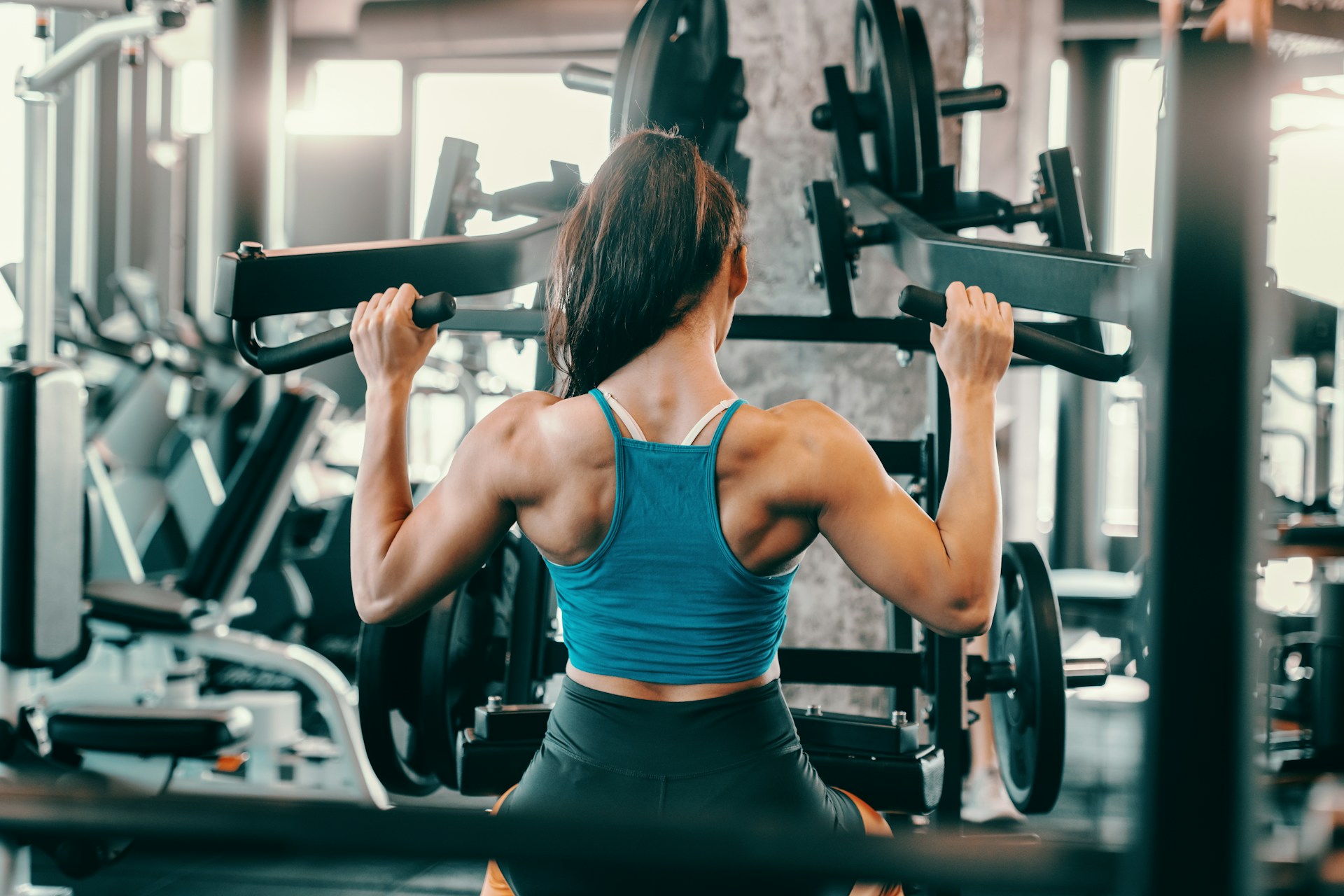
You know that moment two days after your workout, when you lower yourself onto the toilet like you’re 90, holding the counter for balance and wondering why you ever thought walking lunges were a good idea?
That’s delayed onset muscle soreness, or DOMS.
It’s your body’s way of saying, “Nice job, now please don’t make me do that again for a while.”
The soreness means your muscles are rebuilding, but it doesn’t mean you have to hobble for three days every time you workout. In fact, if you’re consistently wrecked after workouts, that’s not a sign of progress, it’s a sign your recovery isn’t keeping up.
Let’s fix that.
What DOMS Actually Is (and Isn’t)
DOMS is that deep, tender ache that shows up 12–36 hours after intense or unfamiliar training, usually after eccentric movements (like lowering weights, downhill running, or jumping).
For years, people blamed lactic acid buildup. That’s not it. Lactic acid clears out of your muscles within an hour of training. DOMS shows up much later because of microdamage to muscle fibers and connective tissue, followed by inflammation as your body starts repairing the area.
That inflammation brings in immune cells and fluid to clean things up. You feel the result as soreness, stiffness, and sometimes swelling. It’s not an injury, it’s remodeling. But the degree of soreness isn’t a perfect indicator of how good your workout was, either.
A little soreness means your muscles got a strong enough signal to adapt.
Crippling soreness means your recovery systems...protein synthesis, growth hormone release, tissue repair...are lagging behind your training.
What Doesn’t Reduce Muscle Soreness
Why include what doesn’t work?
Because half of recovery advice online wastes your time, or worse, your money.
While the following have their own benefits, research shows they don’t do much for muscle soreness itself.
Cryotherapy: Whole-body cryotherapy, ice baths, or ice packs don’t significantly reduce DOMS. They can help with inflammation or mental recovery, but not soreness. Save the ice for injuries, not leg day aftermath.
Static stretching: It might feel nice, but it doesn’t prevent or reduce soreness. In fact, ballistic stretching (bouncing or jerky stretches) can actually make soreness worse by adding more microtrauma.
Ultrasound: Using sound waves to heat muscle tissue sounds promising, but research is mixed at best. If you already have access to an ultrasound device, it’s worth experimenting with, but it’s not worth chasing down a clinic appointment just to relieve DOMS.
What Might Reduce Muscle Soreness
These approaches might help, and even if they don’t dramatically cut soreness, they support recovery in other ways.
Electrical stimulation (eStim or TENS): Low-level muscle contractions increase circulation and may help clear metabolic byproducts. Similar to light exercise, this mild stimulation can speed recovery if you have access to it.
Massage: Depends entirely on the therapist. Massage can increase blood flow and reduce perceived tightness, but the effect varies. If you can, find a therapist who regularly works with athletes.
Compression gear: Wearing compression sleeves or leggings after training might help reduce soreness and muscle damage (as measured by creatine kinase). The key is to use them after workouts, not during.
Fish oil: Omega-3s help regulate inflammation and cell membrane integrity. Doses of 3 grams or more per day have been shown to lessen DOMS for some people, especially if their diets are low in fatty fish.
Foam rolling: Don’t use it as a warmup (that can impair power output), but post-workout foam rolling can help reduce soreness perception and restore mobility a day or two later.
Magnesium: One of the most common deficiencies, and a quiet contributor to increased soreness. Magnesium helps muscles relax, supports nerve function, and improves sleep quality, all of which enhance recovery. Magnesium bisglycinate is the most absorbable form for daily use.
What Actually Works (And Why)
Let’s start with the basics, because if you skip these, no supplement, therapy, or peptide will make much difference.
1. Protein and amino acids
Muscles are made of protein, and the repair process depends on amino acids. If you’re under-eating protein, you’ll stay sore longer, period.
Aim for 1 gram of protein per pound of your ideal body weight, spread across three meals per day.
2. Sleep
Growth hormone, your body’s main repair hormone, peaks during deep sleep, especially in the first third of the night.
If you’re sleeping five hours or waking repeatedly, you’re short-changing recovery no matter how clean your nutrition is.
Shoot for 7–9 hours, consistent bedtime, and a cool, dark room.
3. Keep moving
The worst thing for DOMS is doing nothing.
Light movement, walking, cycling, bodyweight squats, or even training a different muscle group, increases blood flow, clears out waste, and delivers nutrients to damaged tissue.
You don’t need to skip the gym; just don’t chase PRs when you’re sore.
4. Strategic supplements
A few compounds consistently help:
-
Curcumin (Meriva®): reduces inflammation and soreness.
-
Caffeine: dulls pain perception and boosts energy.
-
Magnesium: improves muscle relaxation and lowers sensitivity to pain.
-
Omega-3s: modulate inflammation and aid membrane repair.
But for advanced recovery, especially if you train hard and frequently, there’s another level that most people don’t know about yet.
Peptides: The Next Level of Recovery
Peptides are short chains of amino acids, basically signaling molecules your body already uses to repair, regenerate, and regulate inflammation.
When you use them therapeutically, you’re amplifying your body’s natural recovery systems, not overriding them.
And when it comes to DOMS, a few stand out.
BPC-157
Known as the “Body Protection Compound,” BPC-157 accelerates muscle, tendon, ligament, and nerve repair.
It promotes angiogenesis (new blood vessel growth), reduces inflammation, and supports collagen synthesis, which means faster tissue rebuilding and less lingering soreness.
Many people notice that nagging tightness or delayed soreness fades in half the usual time.
TB-500 (Thymosin Beta-4)
TB-500 complements BPC-157. It increases actin regulation, which is key for cellular migration and healing.
It’s especially useful after heavy eccentric training like deadlifts, hill sprints, or any movement that leaves you sore for days.
Together, BPC-157 and TB-500 act like a recovery accelerator for your entire musculoskeletal system.
Tap here for info about ordering BPC-157/TB-500.
GHK-Cu
GHK-Cu is a naturally occurring copper peptide that enhances tissue remodeling and antioxidant defense.
It helps reduce oxidative stress in muscles after training and promotes skin and connective tissue repair.
It’s not as immediate in effect as BPC-157/TB-500, but over time, it supports healthier, more resilient muscle tissue.
Sermorelin (or Ipamorelin/Tesamorelin Combo)
These peptides stimulate your pituitary gland to release more growth hormone (GH), the hormone responsible for muscle growth, fat loss, and repair.
Higher GH output means more collagen synthesis, faster recovery, and better sleep...the ultimate trifecta for reducing soreness and improving training consistency.
Using Sermorelin alongside BPC-157/TB-500 is like having your recovery system run on premium fuel instead of unleaded.
This is the Sermorelin I use myself and recommend to my clients.
Why This Matters More as You Age
In your 20s, you could train hard, sleep four hours, eat pizza, and still recover fine.
By your 40s or 50s, those same habits lead to constant stiffness, slower progress, and nagging soreness that kills motivation.
That’s because your growth hormone, testosterone, and tissue repair capacity naturally decline, while inflammation creeps up.
Peptides can fill that gap. They don’t replace hormones; they help your body use its own systems more effectively.
When you combine that with a smart, periodized training plan and high-protein nutrition, your body starts feeling younger again, not just stronger.
Putting It All Together: The “No More DOMS” Game Plan
-
Eat enough protein (1g per pound of ideal body weight).
-
Sleep 7–9 hours ideally consistent bedtime before midnight.
-
Train intelligently: don’t max out every session; move even when sore.
-
Supplement wisely: curcumin, magnesium, omega-3s, caffeine.
-
Consider peptide support: BPC-157/TB-500 for tissue repair, Sermorelin or Ipamorelin/Tesamorelin for GH optimization.
-
Follow a structured program: like my Resilient program, which builds strength without burnout, so you recover faster between sessions.
The Takeaway
Muscle soreness shouldn’t be a badge of honor.
It’s feedback.
Your body’s saying, “I got the message, now please help me rebuild.”
If you do your part, eat right, sleep, move, recover, you’ll bounce back faster, train harder, and stay more consistent.
And if you stack those fundamentals with peptides that enhance healing and growth hormone release, DOMS becomes a short stop on the road to progress, not a three-day detour.


Responses